
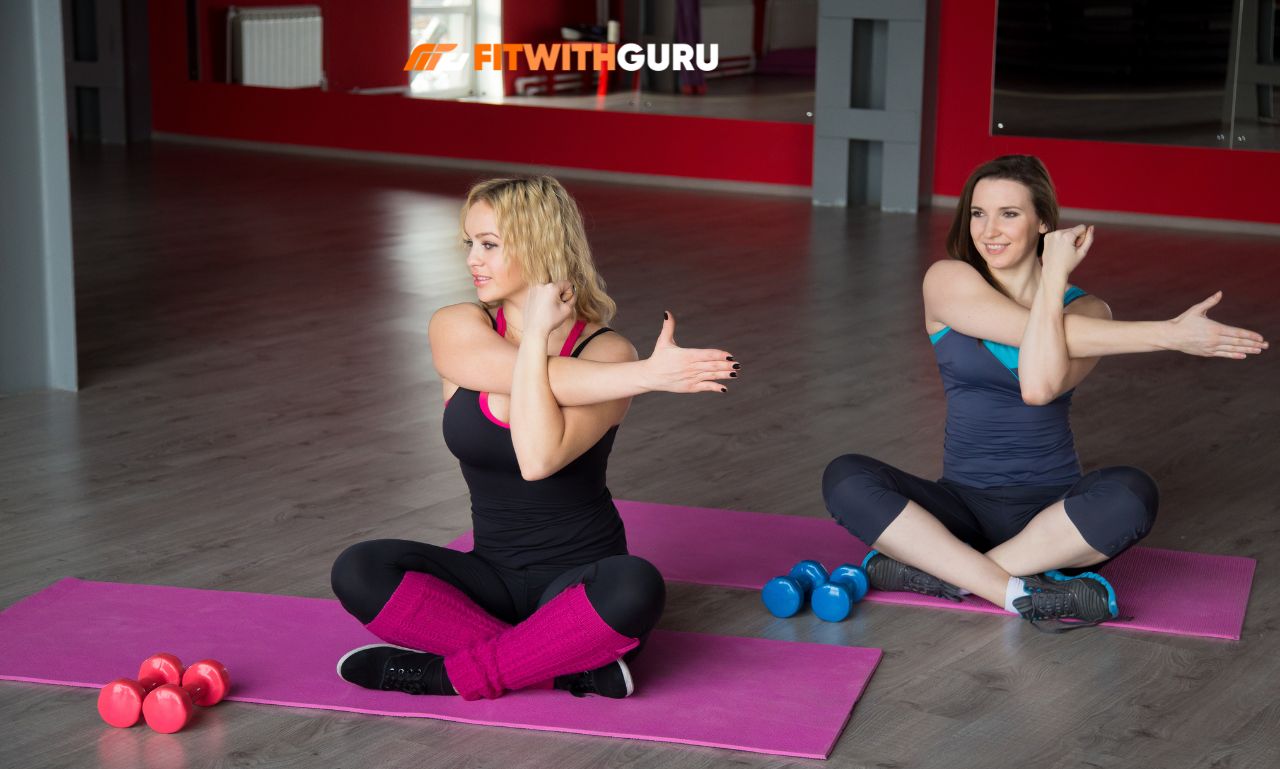
Finding the right workout program for ladies can feel overwhelming with countless options flooding social media and fitness apps.
Whether you’re a complete beginner taking your first steps into fitness or someone looking to shake up their routine, understanding what actually works makes all the difference.
The truth is, women’s bodies respond uniquely to different training styles, and what works for your gym buddy might not deliver the same results for you.
Let me walk you through everything you need to know about creating a workout plan that fits your lifestyle, goals, and body.
Why Women Need Specialized Workout Programs
Your body isn’t just a smaller version of a man’s body—it’s fundamentally different in how it stores fat, builds muscle, and responds to exercise.
Hormonal fluctuations throughout your menstrual cycle affect energy levels, strength, and recovery time in ways that most generic workout plans completely ignore.
A proper workout program for womens takes into account these biological differences and works with your body rather than against it.
Women typically have higher estrogen levels, which actually supports muscle recovery and can be leveraged for better gains when you time your training correctly.
Your lower testosterone levels mean you won’t “bulk up” from lifting weights—that’s a myth that’s kept too many women away from strength training for too long.
Understanding Your Fitness Goals Before You Start
Before jumping into any exercise routine, you need clarity on what you’re actually trying to achieve.
Are you looking to lose weight, build lean muscle, improve your cardiovascular health, or simply feel stronger in your daily life?
Maybe you want to fit into that dress hanging in your closet, or perhaps you’re training for a specific event like a wedding or vacation.
Setting specific, measurable goals transforms your workout from a vague intention into a concrete plan with checkpoints along the way.
Write down your primary goal and then break it into smaller milestones—losing 20 pounds becomes losing 2 pounds per week, which feels far more achievable.
Essential Components of an Effective Workout Program for Ladies
Every solid fitness plan needs three fundamental pillars: strength training, cardiovascular exercise, and flexibility work.
Strength training should form the foundation of your routine, helping you build lean muscle that boosts metabolism and creates that toned look most women want.
Cardiovascular exercise strengthens your heart, burns calories, and improves endurance for everything from climbing stairs to playing with your kids.
Flexibility and mobility work prevents injuries, reduces soreness, and helps you move better in all aspects of life.
The magic happens when you combine these elements in the right proportions based on your specific goals and current fitness level.
Strength Training: Building Your Foundation
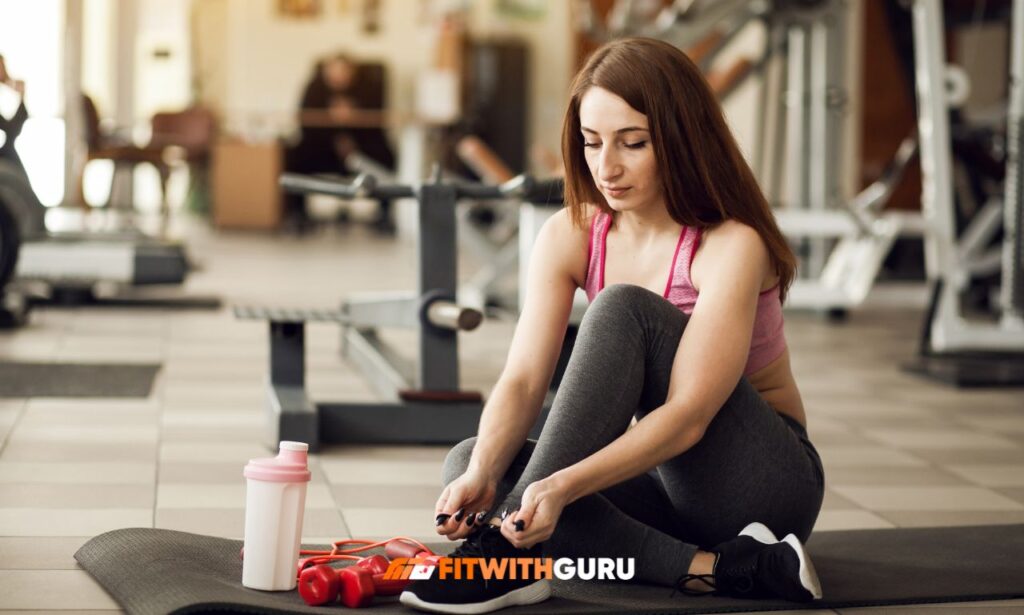
Resistance training is non-negotiable if you want lasting results from your workout program for ladies.
Start with bodyweight exercises like squats, push-ups, lunges, and planks before adding external weights.
Aim for 2-4 strength sessions per week, focusing on compound movements that work multiple muscle groups simultaneously.
Exercises like deadlifts, squats, rows, and overhead presses give you the most bang for your buck.
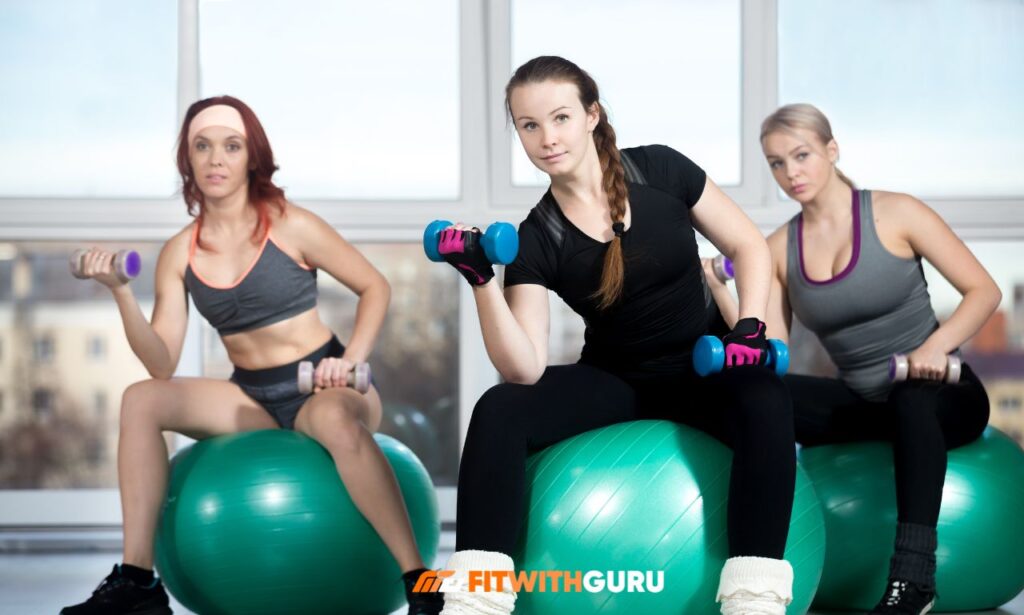
Begin with weights that challenge you for 8-12 repetitions, and progressively increase the load as you get stronger.
Cardiovascular Training: Heart Health and Fat Loss
Cardio doesn’t mean spending hours on the treadmill—variety keeps things interesting and challenges your body in different ways.
High-intensity interval training (HIIT) delivers impressive results in short timeframes, alternating between intense bursts and recovery periods.
Steady-state cardio like jogging, cycling, or swimming works wonderfully for building endurance and creating a calorie deficit.
Mix up your cardio choices throughout the week to prevent boredom and overuse injuries.
Even activities like dancing, hiking, or playing recreational sports count toward your cardiovascular fitness.
Flexibility and Mobility: The Missing Piece
Most women skip stretching and mobility work, then wonder why they feel stiff and sore all the time.
Dedicate 10-15 minutes after each workout to static stretching, holding each stretch for 30-60 seconds.
Incorporate yoga or Pilates once or twice weekly to improve overall flexibility and body awareness.
Foam rolling before workouts helps release muscle tension and improves blood flow to working muscles.
Think of flexibility training as preventive maintenance that keeps your body running smoothly for years to come.
Sample Weekly Workout Program for Women
Here’s a practical template you can customize based on your schedule and preferences:
| Day | Workout Type | Duration | Focus |
| Monday | Strength Training | 45 minutes | Upper Body (chest, back, shoulders, arms) |
| Tuesday | HIIT Cardio | 30 minutes | Full body intervals |
| Wednesday | Strength Training | 45 minutes | Lower Body (glutes, quads, hamstrings, calves) |
| Thursday | Yoga or Pilates | 30-45 minutes | Flexibility and core |
| Friday | Strength Training | 45 minutes | Full Body compound movements |
| Saturday | Moderate Cardio | 30-45 minutes | Steady-state activity of choice |
| Sunday | Active Recovery | 20-30 minutes | Light walk, gentle stretching |
This structure provides adequate recovery between intense sessions while maintaining consistency throughout the week.
Adjust the intensity and volume based on your current fitness level—beginners might start with 3-4 workout days and build up gradually.
Nutrition: Fueling Your Workout Program
Exercise is only half the equation; what you eat determines whether you see results or spin your wheels.
Focus on consuming adequate protein (roughly 0.8-1 gram per pound of body weight) to support muscle recovery and growth.
Don’t fear carbohydrates—they’re your body’s preferred fuel source for workouts and help replenish glycogen stores afterward.
Healthy fats from sources like avocados, nuts, olive oil, and fatty fish support hormone production and overall health.
Drink plenty of water throughout the day, aiming for at least half your body weight in ounces as a baseline.
Time your largest meals around your workouts when possible, eating complex carbs and protein 2-3 hours before training.
Common Mistakes Women Make With Workout Programs
Using weights that are too light keeps you comfortable but prevents the muscle adaptation necessary for real change.
Doing excessive cardio while neglecting strength training leads to a “skinny fat” physique rather than a toned, athletic look.
Following the exact same routine for months creates plateaus as your body adapts and stops responding to the stimulus.
Comparing your progress to others on social media sets unrealistic expectations and damages your motivation.
Skipping rest days in the belief that more is always better eventually leads to burnout, injury, or overtraining syndrome.
Not tracking your workouts makes it impossible to know if you’re actually progressing or just going through the motions.
How to Progress and Avoid Plateaus
Your body adapts quickly to exercise, which means you need to continuously challenge it in new ways.
Increase the weight you’re lifting by 5-10% once you can comfortably complete all your prescribed repetitions with good form.
Add extra sets or repetitions to your exercises every few weeks to increase training volume.
Vary your exercise selection every 4-6 weeks to hit muscles from different angles and prevent adaptation.
Manipulate rest periods between sets, shortening them to increase intensity or lengthening them for heavier lifts.
Incorporate different training methods like drop sets, supersets, or tempo variations to shock your muscles into growth.
Staying Motivated and Consistent Long-Term
Results from any workout program for womens come from months of consistent effort, not weeks of sporadic enthusiasm.
Find a workout buddy or join a fitness community to create accountability and make exercise more enjoyable.
Track your progress through photos, measurements, and strength milestones rather than obsessing over the scale daily.
Schedule your workouts like non-negotiable appointments rather than trying to “find time” when it never appears.
Celebrate small victories along the way—lifting heavier weights, completing an extra rep, or simply showing up when you didn’t feel like it.
Remember that motivation fluctuates, but discipline and habit keep you moving forward when enthusiasm wanes.
Adapting Your Program to Different Life Stages
Your workout needs shift throughout different phases of life, and the best programs adapt accordingly.
During menstruation, many women benefit from lighter training focusing on technique rather than pushing for personal records.
Pregnancy requires modifications to protect both mother and baby while maintaining fitness—consult your healthcare provider for specific guidance.
Postpartum exercise should start gradually, focusing on rebuilding core strength and pelvic floor function before returning to intense training.
Perimenopause and menopause bring hormonal changes that may require adjustments to training intensity and recovery protocols.
The key is listening to your body and being flexible enough to modify your approach when circumstances change.
Frequently Asked Questions
How long does it take to see results from a workout program for ladies?
You’ll typically notice increased energy and improved mood within the first week or two of consistent training. Physical changes become visible around the 4-6 week mark as your body composition starts shifting.
Significant transformations usually require 12-16 weeks of dedicated effort with proper nutrition and recovery. Everyone’s timeline varies based on genetics, starting point, adherence to nutrition, and training consistency.
Can I build muscle and lose fat at the same time?
Yes, this process called “body recomposition” is absolutely possible, especially for beginners or those returning after a break.
It requires eating in a slight calorie deficit while consuming adequate protein and following a progressive strength-training program.
The process happens more slowly than focusing exclusively on either fat loss or muscle gain. Advanced lifters may find it more effective to focus on one goal at a time through dedicated bulking or cutting phases.
Do I need a gym membership or can I workout at home?
A solid workout program for ladies can absolutely be executed at home with minimal equipment.
Bodyweight exercises, resistance bands, and a set of adjustable dumbbells effectively cover most training needs.
Gyms offer advantages like diverse equipment, classes, and a dedicated workout environment that some find motivating.
The best choice depends on your personal preferences, budget, and what setup you’ll actually use consistently.
How many days per week should I exercise?
Beginners should start with 3-4 workout days per week to allow adequate recovery between sessions.
Intermediate exercisers often do well with 4-5 days, splitting between strength training and cardiovascular work.
Advanced athletes might train 5-6 days weekly with strategic programming to prevent overtraining.
Quality matters more than quantity—three intense, focused sessions beat six mediocre ones every time.
What should I eat before and after workouts?
Pre-workout meals should include easily digestible carbohydrates and moderate protein consumed 2-3 hours before training.
A banana with almond butter or oatmeal with berries provides quick energy without sitting heavy in your stomach.
Post-workout nutrition should emphasize protein for muscle recovery and carbohydrates to replenish glycogen stores.
A protein shake with fruit or grilled chicken with sweet potato makes an excellent post-training meal.
Timing matters most for intense training sessions, while casual workouts don’t require as much nutritional precision.
Conclusion
Creating an effective workout program for ladies doesn’t require complicated science or expensive equipment—it requires understanding your body, setting clear goals, and committing to consistent action.
The journey transforms not just your physical appearance but your confidence, energy levels, and overall quality of life.
Start where you are, use what you have, and focus on progressive improvement rather than perfection.
Your future self will thank you for the investment you make in your health today.
Visit FitWithGuru.com for more detailed workout plans, nutrition guidance, and ongoing support as you build the strong, healthy body you deserve.
