
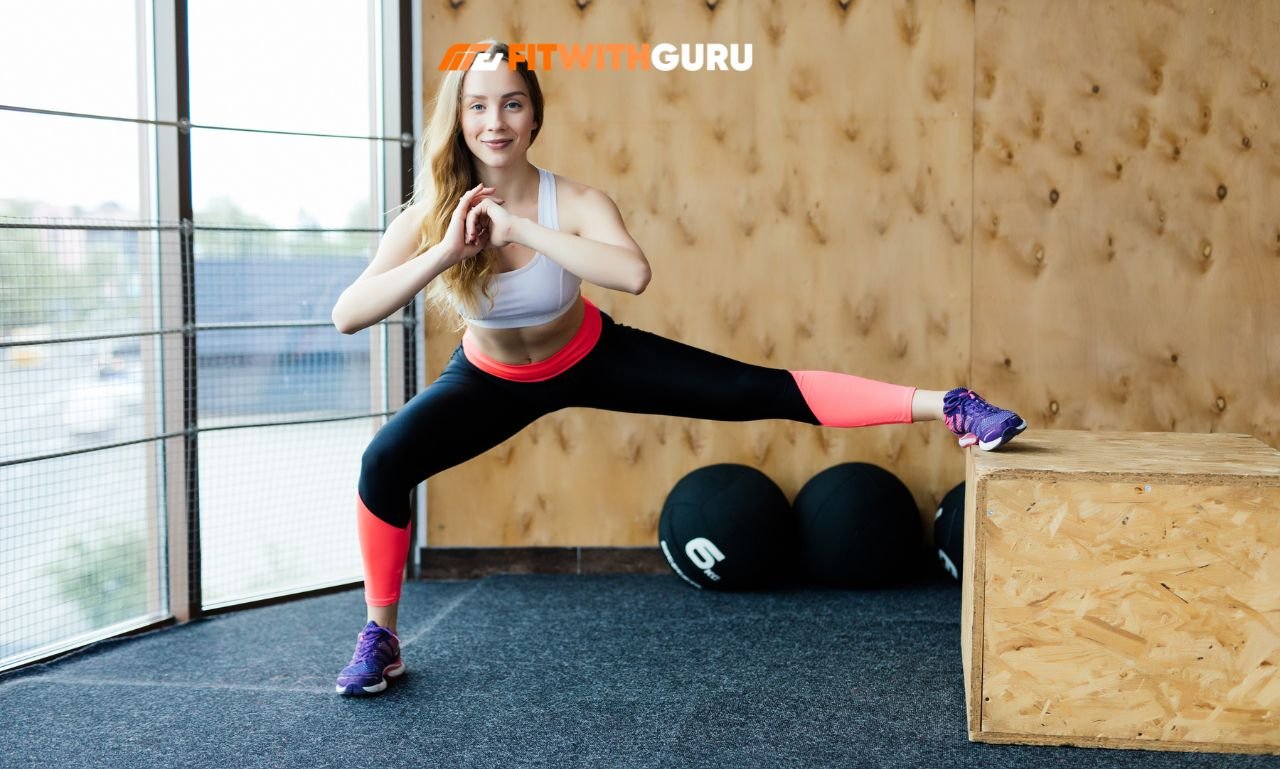
Strength training has become one of the most effective ways to improve overall health, build muscle, and increase physical performance. Among all training styles, whole body strength training is one of the most efficient approaches for beginners and experienced fitness enthusiasts alike.
Instead of focusing on just one muscle group per workout, whole body strength training targets multiple muscle groups in a single session. This approach helps maximize results while saving time, making it ideal for people with busy schedules.
Whether you are training at home or in the gym, a well-structured whole bodies strength training routine can help you gain strength, improve endurance, and enhance overall fitness.
If you want to build a stronger and healthier body, this guide will show you everything you need to know about whole body strength training, including exercises, workout plans, and expert tips.
What Is Whole Body Strength Training?
Whole body strength training is a workout method that targets all major muscle groups in a single training session. It typically includes compound exercises such as squats, push-ups, lunges, rows, and planks to build strength, improve endurance, and enhance overall fitness. For those looking to combine strength and fat loss, check out our best strength training program for fat loss.
- Legs
- Back
- Chest
- Shoulders
- Arms
- Core
This type of training is extremely effective because it allows your muscles to work together as they do in real-life movements.
Many trainers recommend whole body strength workouts because they improve:
- Muscle strength
- Coordination
- Balance
- Functional fitness
For beginners, this method is often the best way to build a strong fitness foundation.
Benefits of Whole Body Strength Training
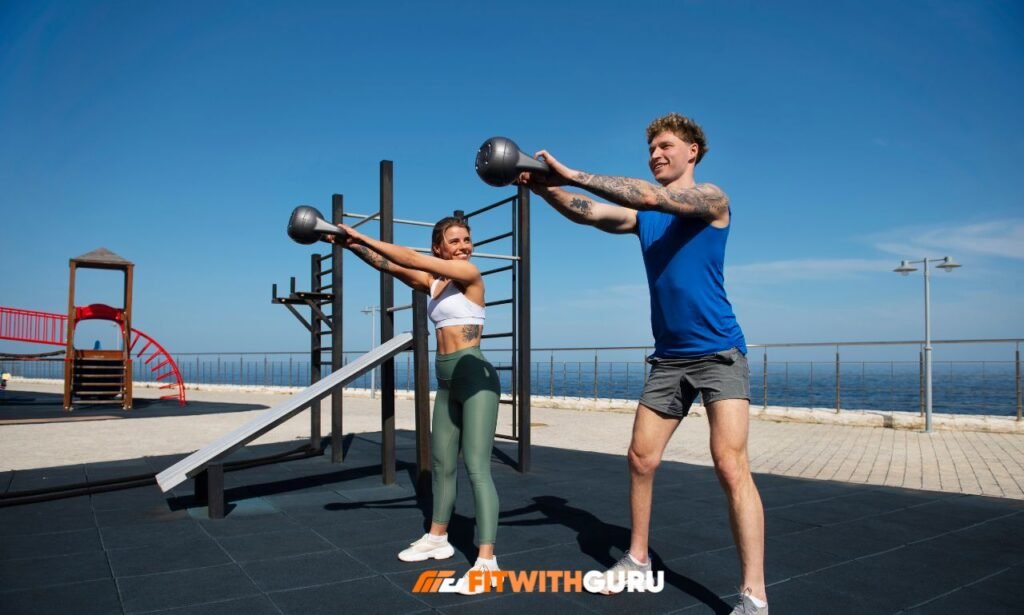
1. Saves Time
One of the biggest benefits of whole body strength training is efficiency. Instead of training five or six days per week, you can get great results with just 3 workouts per week.
This makes it perfect for people who want effective workouts without spending hours in the gym.
2. Burns More Calories
Whole body workouts activate multiple muscle groups simultaneously. This leads to higher calorie burn compared to isolated exercises.
As a result, strength training workouts can also support fat loss and weight management.
3. Builds Balanced Muscle Strength
When you train the entire body regularly, you avoid muscle imbalances. Balanced muscle development helps improve posture, reduce injury risk, and enhance athletic performance. To learn how often you should train for optimal results, read our guide on how many days a week you should do strength training.
4. Improves Functional Fitness
Functional fitness means improving movements that are used in everyday life. Whole body exercises such as squats, push-ups, and lunges mimic natural movements, making daily tasks easier and safer.
5. Ideal for Beginners
Beginners often struggle with complicated workout splits. A whole body strength training routine keeps things simple while still delivering excellent results.
Best Whole Body Strength Training Exercises
If you want to build strength and improve overall fitness, choosing the right exercises is very important. The best whole body strength training exercises target multiple muscle groups at the same time, helping you build muscle, improve stability, and increase overall performance. You can also explore the best split training routines to compare different workout approaches and find what works best for you.
Here are some of the most effective exercises you can include in your whole body workout routine.
1. Squats
Squats are considered one of the most powerful exercises for building lower body strength and functional fitness. This compound movement works several large muscle groups at once, making it a key exercise in any whole body strength training program.
Muscles worked:
- Quadriceps
- Hamstrings
- Glutes
- Core
Regularly performing squats can help improve leg strength, enhance balance, and support everyday movements such as walking, climbing stairs, and lifting objects.
2. Push-Ups
Push-ups are a classic bodyweight strength training exercise that targets multiple upper body muscles while also engaging the core. They are simple, effective, and require no equipment, making them ideal for both home and gym workouts.
Muscles worked:
- Chest
- Shoulders
- Triceps
- Core
Push-ups are perfect for bodyweight workout routines and can easily be modified to suit beginners or advanced fitness levels.
3. Lunges
Lunges are excellent for building lower body strength, balance, and coordination. Because each leg works independently, lunges also help correct muscle imbalances and improve overall stability. For a complete routine designed specifically for women, check out our women’s full body strength training workout.
Benefits include:
- Stronger legs
- Better balance and stability
- Improved coordination and mobility
Adding lunges to your whole body strength training routine can significantly enhance lower body power and endurance.
4. Pull-Ups or Rows
Pulling exercises are essential for developing a strong and balanced upper body. Pull-ups or rows target the back muscles and arms, helping improve posture and overall upper body strength.
Muscles worked:
- Latissimus dorsi (lats)
- Biceps
- Upper back
Including pulling movements in your workouts ensures balanced muscle development and reduces the risk of posture-related issues.
5. Planks
Planks are one of the most effective exercises for strengthening the core muscles, which play a crucial role in almost every movement during strength training.
Benefits of planks include:
- Improved core stability
- Better posture
- Enhanced balance and coordination
A strong core helps support your spine, improves exercise performance, and reduces the risk of injury during strength training workouts.
Sample Whole Body Strength Training Workout Plan
Here is a simple workout routine you can follow 3 days per week.
Workout Routine
Squats – 3 sets (10 reps)
Push-Ups – 3 sets (10 reps)
Lunges – 3 sets (10 reps per leg)
Pull-Ups or Rows – 3 sets (8 reps)
Plank – 3 sets (30 seconds)
Rest for 60–90 seconds between sets.
This routine targets every major muscle group and can be completed in 30–40 minutes.
Whole Body Strength Training at Home
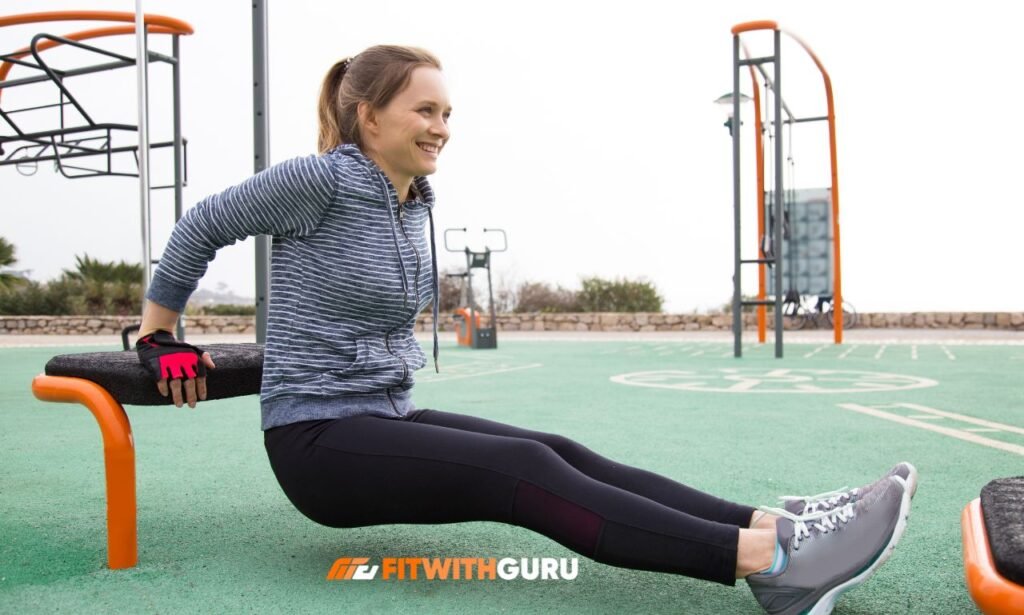
One of the best things about whole body strength training is that it can be done without expensive gym equipment. If your goal is to tone your muscles while training at home, check out our strength training for toning guide.
A simple bodyweight workout at home can include:
- Push-ups
- Squats
- Lunges
- Planks
- Glute bridges
These exercises can provide a complete workout and help you build strength using just your body weight.
You can also explore more strength training routines and fitness guides on FitWithGuru to improve your workouts and stay consistent.
Tips to Get the Best Results from Strength Training
Focus on Proper Form
Always perform exercises with correct form to prevent injuries and maximize muscle engagement.
Progress Gradually
As your strength improves, increase:
- Repetitions
- Sets
- Resistance
Progressive overload is the key to continuous improvement.
Maintain Consistency
Consistency is more important than intensity. Even 3 workouts per week can produce amazing results if done regularly. For safe and effective strength routines, especially for older adults, check out our leg strengthening exercises for the elderly.
Prioritize Recovery
Muscles grow during rest, not during workouts. Make sure to get enough sleep and allow your body to recover between sessions.
Common Mistakes to Avoid in Whole Body Strength Training
Even though whole bodies strength training is highly effective, many people make simple mistakes that can slow their progress or increase the risk of injury. Avoiding these common errors will help you get better results from your workouts.
Skipping the Warm-Up
One of the most common mistakes is jumping straight into intense exercises without warming up. A proper warm-up prepares your muscles, joints, and nervous system for physical activity.
Spending just 5–10 minutes on dynamic warm-up exercises like light cardio, arm circles, or bodyweight squats can improve performance and significantly reduce the risk of injury during your strength training session.
Overtraining
While consistency is important, training too often without proper recovery can actually slow your progress. Muscles need time to repair and grow stronger after each workout.
For most people, performing whole body strength training 2–3 times per week is enough to see great results. Make sure to include rest days in your routine to allow your body to recover properly. If you enjoy outdoor activities, you can also learn how to train for hiking to build endurance and strength for the trails.
Ignoring Proper Nutrition
Exercise alone is not enough to build strength and muscle. Nutrition plays a crucial role in supporting your training goals.
A balanced diet that includes adequate protein, healthy fats, and complex carbohydrates helps fuel your workouts and supports muscle recovery. Staying hydrated and eating nutrient-rich foods will help maximize the benefits of your whole body strength training routine.
By avoiding these common mistakes and staying consistent with your workouts, you can build strength more effectively and enjoy long-term fitness progress.
Who Should Try Whole Body Strength Training?
Whole body strength training is a versatile workout approach that works well for people of all fitness levels. Because it targets multiple muscle groups in a single session, it’s an efficient and practical choice for many individuals. To explore other approaches, check out our guide on the different types of strength training.
This training method is especially ideal for:
Beginners starting their fitness journey
If you are new to exercise, whole body strength training is a great starting point. It helps you build a solid foundation of strength while learning proper movement patterns.
Busy professionals with limited time
People with hectic schedules often struggle to fit long workouts into their routine. Whole body workouts allow you to train your entire body in just a few sessions per week, making them time-efficient and effective.
People who prefer simple workout routines
Not everyone enjoys complicated training splits. Whole body strength workouts keep things simple while still delivering excellent results.
Anyone looking to improve overall strength and fitness
Whether your goal is to increase strength, improve endurance, enhance mobility, or stay active, whole body strength training provides a balanced approach to fitness.
In short, whether your goal is muscle growth, fat loss, improved athletic performance, or better overall health, incorporating whole body strength training into your routine can help you achieve long-term fitness success. Swimmers can also benefit from specialized strength training exercises for swimmers to improve power, endurance, and performance in the water.
Frequently Asked Questions (FAQs)
Is whole body strength trainings good for beginners?
Yes, whole body strength training is one of the best workout approaches for beginners. It focuses on training all the major muscle groups in a single session, which helps build a strong foundation of strength and endurance. Beginners can start with simple bodyweight exercises like squats, push-ups, and planks, and gradually increase intensity as their fitness level improves.
How many days per week should I do whole body strength trainings?
Most fitness experts recommend doing whole body strength training 2–3 times per week. This allows your muscles enough time to recover and grow stronger between workouts. Consistent training combined with proper rest and nutrition can help you see noticeable strength improvements over time. You can also learn more about structuring your routine with a full-body workout split guide.
Can I do whole body strength training at home?
Yes, you can easily perform whole body strengths training at home without expensive equipment. Bodyweight exercises such as push-ups, lunges, squats, and planks are highly effective for building strength. With a well-structured home workout routine, you can train your entire body and achieve great fitness results.
Does whole body strength training help build muscle?
Absolutely. Whole body strength training can help build muscle and improve overall strength when performed consistently. By gradually increasing the difficulty of exercises, repetitions, or resistance, your muscles adapt and grow stronger over time. Pairing your workouts with a balanced diet that includes enough protein will further support muscle development. For women looking to maintain strength and muscle as they age, explore our guide on strength training for women over 40.
How long should a whole body strength training workout last?
A typical whole body strength training workout usually lasts between 30 to 45 minutes. This duration is enough to complete several compound exercises that target all major muscle groups. Short but focused workouts can be extremely effective when performed with proper form and intensity.
Conclusion
Whole body strength training is one of the most effective ways to build muscle, improve fitness, and stay healthy. By targeting all major muscle groups in a single workout, this training method provides excellent results while saving time. If you prefer training at home, using equipment like the best resistance band set for home workout can help add resistance and make your workouts even more effective.
Whether you are working out at home or in the gym, a structured whole body strength training routine can help you develop strength, increase endurance, and improve overall physical performance.
The key to success is consistency, proper form, and gradual progression.
Start Your Strength Training Journey Today
If you’re ready to take your fitness to the next level, start incorporating whole body strength trainings into your weekly routine.
For more workout guides, training plans, and expert fitness tips, visit FitWithGuru and discover effective workouts that help you stay strong, healthy, and motivated. 💪
