
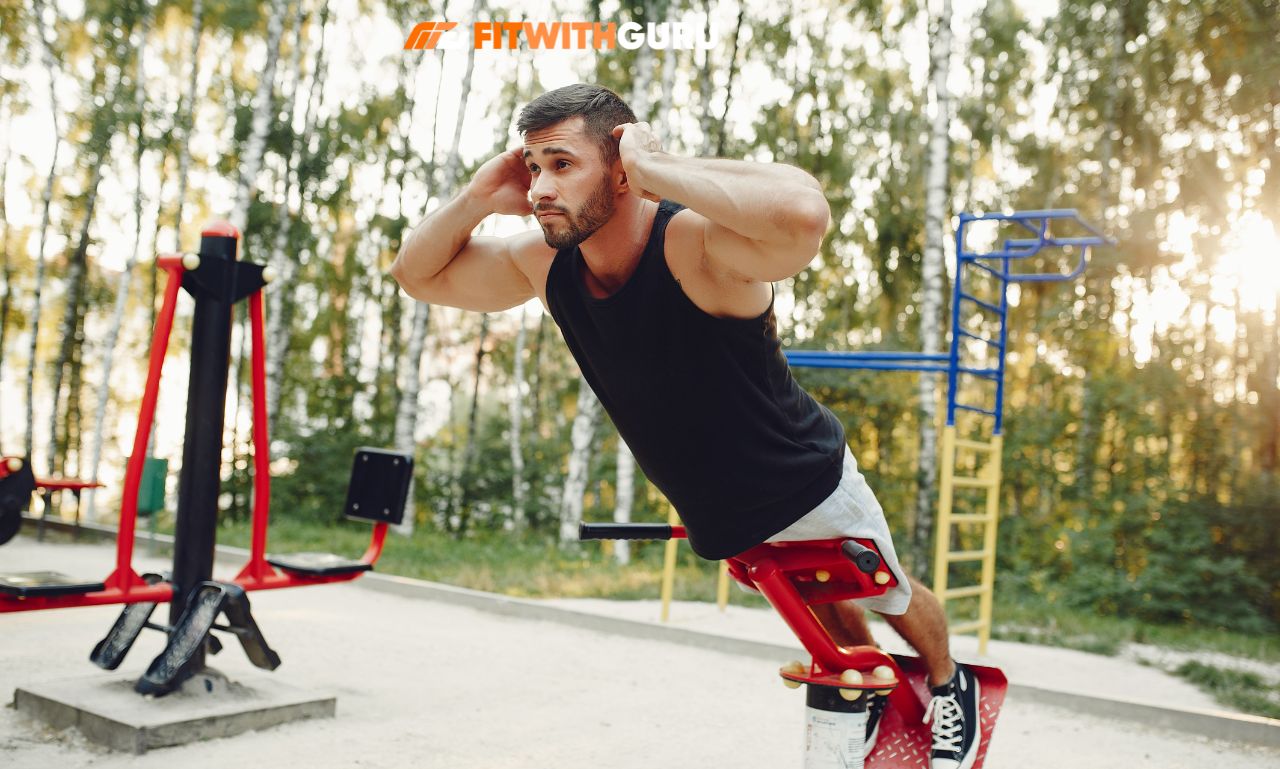
Calisthenics for muscle growth is one of the most underrated and powerful ways to build lean muscle, enhance functional strength, and boost athletic performance. Unlike traditional weightlifting, calisthenics uses your own bodyweight as resistance, relying on progressive overload, controlled movement, and time under tension to drive muscle growth.
In this guide, we’ll break down how calisthenics stimulates muscle hypertrophy, why it’s so effective, and how you can structure your training to see real, visible results.
Why Calisthenics for Muscle Growth Works Better Than Most People Think
Many people believe lifting weights is the only way to build muscle, but muscles actually respond to tension and effort, not just weights. Properly done bodyweight exercises create the same mechanical tension as free weights.
Check out more here: Dumbbell Exercises for Shoulders
Advanced calisthenics movements increase leverage and demand more from your muscles across a full range of motion. Muscle fibers grow when they experience progressive overload, metabolic stress, and controlled eccentric contractions—all naturally present in well-designed calisthenics routines.
On top of muscle growth, calisthenics improves joint health, mobility, and neuromuscular coordination, making it a well-rounded approach to fitness.
The Science Behind Calisthenics and Muscle Hypertrophy
Calisthenics promotes hypertrophy by increasing time under tension and engaging more muscle fibers. Slower repetitions and isometric holds maximize muscle activation, while unilateral movements intensify the workout without adding extra weight.
Research shows that muscles can grow even with resistance as low as 30% of your maximum effort, as long as sets are taken close to failure. Using advanced calisthenics variations with strict form helps you reach this threshold, making these exercises effective for both beginners and experienced athletes.
Read more here: Best Exercise for Bottom of Chest
Key Principles of Calisthenics for Muscle Growth
Progressive Overload Without Weights
You can increase resistance in calisthenics by adjusting leverage, performing more difficult variations, increasing volume, or extending time under tension. Each progression challenges your muscles in new ways to keep growth consistent.
Mind Muscle Connection
Calisthenics requires precise control and movement. Performing slow, deliberate reps makes sure your muscles do the work—not momentum—maximizing long-term growth. Learn more here: Dumbbell for Arms Workout
Training Close to Failure
Muscle growth requires pushing sets close to failure. Stopping too early limits hypertrophy, so honesty in effort and controlled execution is key in calisthenics for muscle growth.
Best Calisthenics Exercises for Muscle Growth
Calisthenics builds muscle using bodyweight exercises that target all major muscle groups. Upper body moves like push-ups, pull-ups, and dips strengthen your chest, arms, and back, while lower body exercises like pistol squats and split squats develop strong, lean legs. Advanced variations add intensity and ensure continuous growth. Read more here: Back Exercises with Dumbbells
Upper Body Calisthenics Exercises
Push-ups, dips, and pull-ups are the foundation of upper-body calisthenics. Advanced variations increase intensity without equipment. Recommended movements include:
- Decline push-ups
- Archer push-ups
- Ring dips
- Wide grip pull-ups
- Archer pull-ups
These target the chest, shoulders, arms, and upper back effectively.
Lower Body Calisthenics Exercises
Leg muscle growth is achievable with bodyweight exercises when intensity is managed properly. Single-leg movements dramatically increase the load on each limb. Top choices include various targeted exercises for strength and definition. Read more here: Full Body Calisthenics Exercises
- Pistol squats
- Bulgarian split squats
- Shrimp squats
- Nordic hamstring curls
Lower-body calisthenics requires strict form and patience for optimal results.
How to Perform Calisthenics Exercises for Maximum Muscle Growth
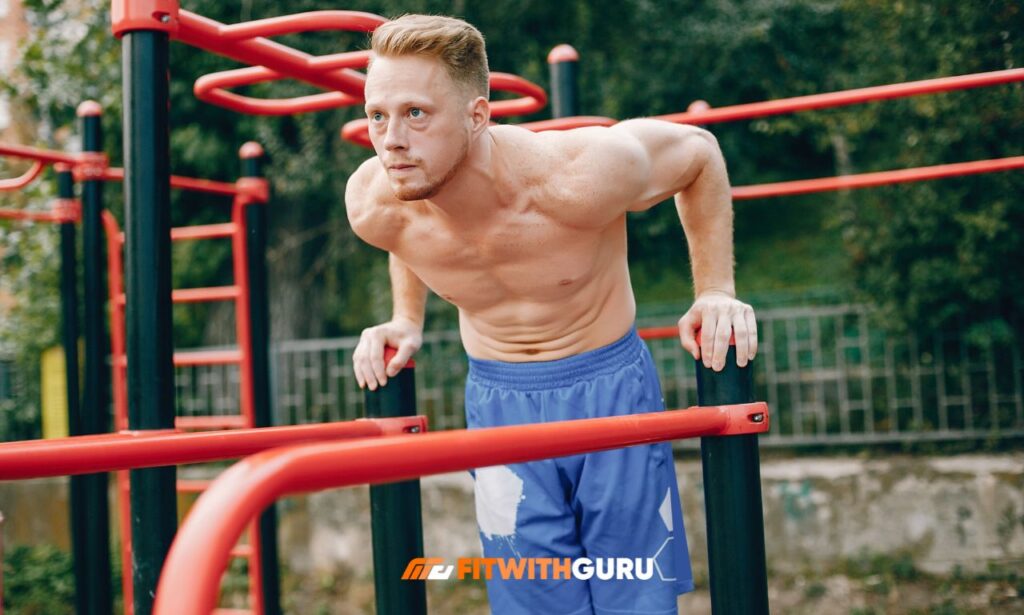
Push-Up Variations for Muscle Growth
- Keep your core tight throughout the movement
- Lower slowly for a count of three
- Pause briefly at the bottom
- Push explosively while maintaining control
Pull-Up Variations for Muscle Growth
- Start from a dead hang
- Pull your chest toward the bar
- Control the lowering phase for maximum tension
- Avoid swinging or kipping
Squat Variations for Muscle Growth
- Maintain an upright torso
- Descend slowly with control
- Drive through the mid-foot
- Focus on balance and stability
These techniques enhance hypertrophy and ensure muscles are maximally challenged.
Training Volume and Frequency for Calisthenics Muscle Growth
For best results, train each muscle group 2–3 times per week. Total weekly sets should range from 10–20 per muscle group, depending on intensity. Learn how to structure your routine with a free plan here: Calisthenics Workout Plan Free
Rest periods should allow for quality performance—rushing reduces effectiveness. Remember, quality reps always matter more than quantity.
Nutrition Strategy to Support Calisthenics for Muscle Growth
Even with bodyweight training, muscle growth requires proper nutrition:
- Consume enough protein daily
- Fuel workouts with complex carbs
- Stay well-hydrated
- Focus on nutrient-dense foods
Recovery nutrition is crucial for muscle adaptation and growth.
Common Mistakes That Limit Calisthenics Muscle Growth
Many fail to build muscle due to:
- Performing exercises too easily
- Skipping advanced progressions
- Inconsistent training
- Neglecting recovery
Calisthenics for muscle growth demands discipline, patience, and strategic intensity. Incorporating rest days is essential to prevent injury and promote steady progress. Learn more with our plan here: Men’s Calisthenics Workout Plan
Advanced Techniques to Accelerate Calisthenics for Muscle Growth
Tempo Manipulation
Slower repetitions increase time under tension and boost hypertrophy.
Isometric Holds
Holding positions in calisthenics activates more muscle fibers, helping build both size and strength. Learn more here: Basic Calisthenics Exercises
Mechanical Drop Sets
Switching to easier variations mid-set extends fatigue and stimulates additional growth without extra equipment.
Calisthenics for Muscle Growth vs Weight Training
Calisthenics improves relative strength, joint health, and movement quality, while weight training allows easier load progression. Both methods effectively grow muscle, and many athletes combine them to get the best of both worlds. Learn more here: Is Calisthenics Good for Weight Loss?
Realistic Expectations With Calisthenics for Muscle Growth
Visible muscle growth requires consistency. Beginners usually notice strength gains first, followed by muscle size over time. Calisthenics favors lean, functional muscle, creating a balanced, athletic physique. Nutrition and recovery heavily influence results.
Frequently Asked Questions About Calisthenics for Muscle Growth
Can calisthenics really build muscle like weights?
Yes—when progressed properly, calisthenics effectively stimulates hypertrophy. Muscles respond to tension, not equipment. Learn more here: Calisthenics Exercises Routine
How long does it take to see muscle growth?
Strength improvements appear within weeks; visible muscle size usually takes 3–4 months.
Is calisthenics enough for leg muscle growth?
Yes—advanced unilateral exercises ensure proper leg development. Learn more here: What Is Calisthenics?
Do I need equipment for calisthenics muscle growth?
Basic equipment like a pull-up bar helps, but most movements only need your bodyweight.
How many reps are best for calisthenics hypertrophy?
Moderate reps close to failure work best. Focus on control and tempo over numbers.
Conclusion
Calisthenics for muscle growth is a science-backed, sustainable way to build muscle, strength, and athleticism. With proper progression, nutrition, and consistency, bodyweight training can rival traditional weightlifting while improving joint health, mobility, and overall movement quality. Learn more here: 28-Day Calisthenics Challenge Free
For anyone looking for a functional, aesthetic, and injury-resistant physique, calisthenics is an effective long-term solution.
