
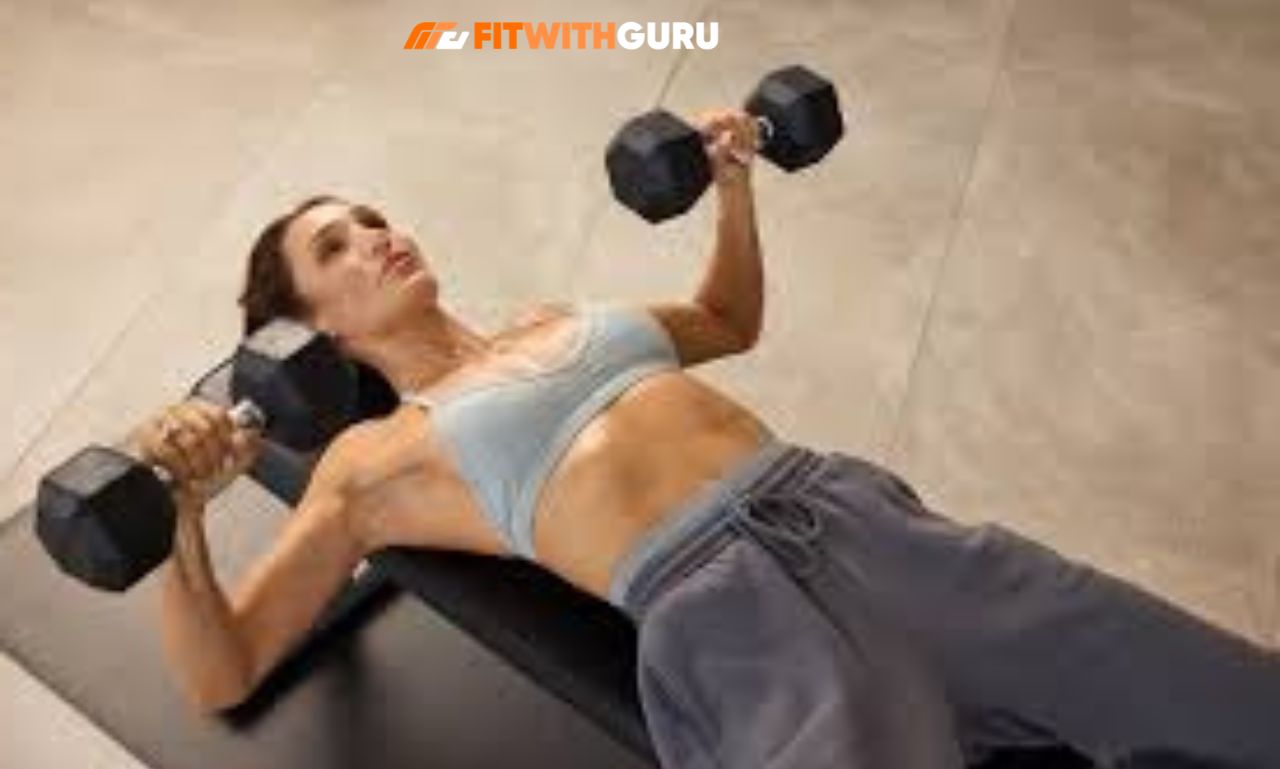
No gym or equipment? That’s no problem! Staying fit at home has never been easier, thanks to a daily bodyweight workout routine. This approach helps you build strength, tone muscles, and boost your energy—all without stepping foot in a gym. Perfect for beginners, busy professionals, or frequent travelers, these simple yet effective exercises can be done anywhere, anytime.
In this ultimate guide, we’ll show you how to structure a home workout routine that targets your full body, improves your core stability, and even gets your heart pumping. Say goodbye to excuses and hello to a healthier, stronger, and more confident you—right from the comfort of your own home!
What Is a Daily Bodyweight Workout Routine?
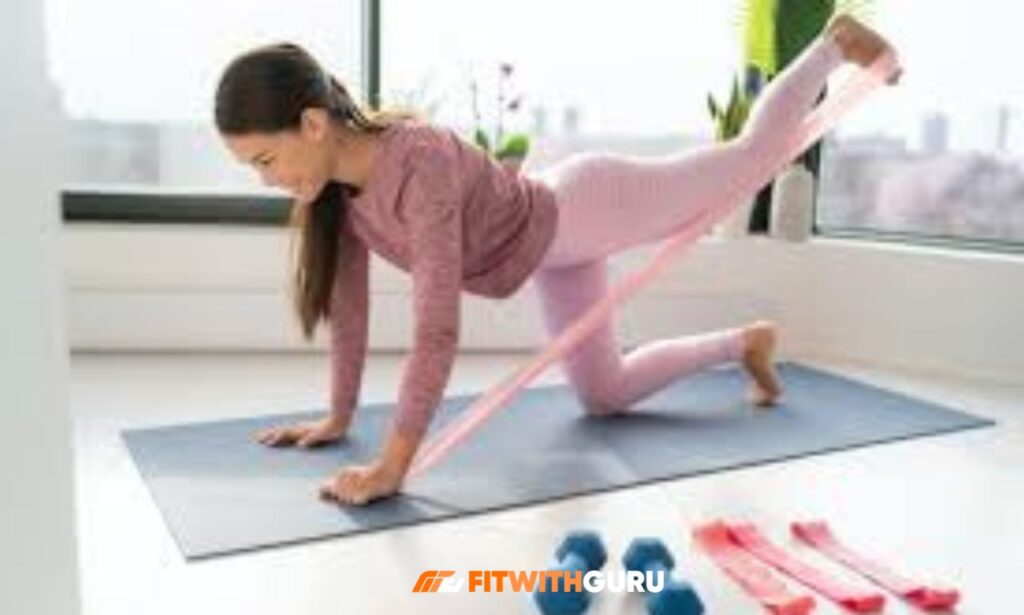
A daily bodyweight workout routine is a fitness plan that relies solely on your own body for resistance. Unlike lifting heavy weights or using gym machines, functional training with bodyweight exercises engages multiple muscle groups at once, helping you build strength, improve posture, and enhance mobility. Learn more about effective bodyweight exercises for all fitness levelshere.
Popular bodyweight exercises include:
- Push-ups
- Squats
- Lunges
- Planks
- Burpees
- Mountain Climbers
- Jumping Jacks
These moves form the foundation of a full-body workout at home, targeting your upper body, lower body, and core without requiring any equipment. The flexibility of this routine makes it ideal for people with busy schedules, those who travel frequently, or anyone looking to maintain a daily fitness routine. You can explore more home workout tips and routines on FitWithGuru.
Benefits of a Daily Bodyweight Workout Routine
A daily bodyweight workout routine offers numerous advantages for anyone looking to improve fitness, whether you’re a beginner or an experienced athlete. Here’s why incorporating bodyweight exercises into your daily fitness routine is so effective. For a step-by-step beginner-friendly guide, check out our easy bodyweight exercises for beginners.
1. Convenience and Flexibility
One of the biggest benefits of bodyweight workouts is that they require no gym membership or expensive equipment. You only need a small space and your own body weight to perform effective exercises. This makes it easy to fit a home workout routine into even the busiest schedules, allowing you to exercise anytime and anywhere, whether at home, in a park, or while traveling.
2. Full-Body Strength
Bodyweight exercises naturally engage multiple muscle groups at the same time, giving you a balanced full-body workout. Movements like push-ups, squats, lunges, and planks strengthen your arms, legs, and core simultaneously. This means you can build strength and tone muscles effectively without relying on heavy weights or machines. For more calorie-torching options, check out our fat-burning bodyweight exercises.
3. Improved Core Stability
A strong core is essential for good posture, balance, and everyday functional movements. Exercises like planks, bicycle crunches, and mountain climbers focus on your abdominal and lower back muscles, helping you develop core stability that translates into better performance in other exercises and daily activities.
4. Enhanced Cardiovascular Fitness
Many bodyweight exercises are dynamic and get your heart pumping, providing excellent cardio benefits alongside strength training. Moves like burpees, jumping jacks, and high knees raise your heart rate, improving endurance and promoting heart health—all without needing a treadmill or stationary bike. Learn more about top bodyweight exercises for home workouts in this SquatWolf guide.
5. Progressive and Scalable
Whether you’re just starting or already advanced, bodyweight workouts are fully adaptable to your fitness level. Beginners can start with easier variations, such as knee push-ups or static lunges, while advanced trainees can challenge themselves with more reps, longer holds, or complex variations like jump squats or decline push-ups. For those looking to add extra resistance, you can incorporate exercise routines with dumbbells alongside your bodyweight exercises to further build strength and endurance. This scalability makes it easy to progress and avoid plateaus.
6. Weight Management
Consistent daily bodyweight workouts can boost metabolism, helping your body burn calories more efficiently. When combined with a balanced diet, these exercises support fat loss, muscle maintenance, and overall weight management, making them an excellent choice for those looking to stay lean and fit.
7. Reduced Risk of Injury
Because bodyweight exercises rely on natural movements, they are generally safer than heavy weight lifting, especially for beginners. You can maintain proper form more easily, reducing the risk of strain, joint stress, or overuse injuries while still achieving strength and endurance goals.
8. Mental and Emotional Benefits
Regular home workouts don’t just improve your body—they boost your mind too. Exercise releases endorphins, reduces stress, improves focus, and enhances overall mental well-being, making daily bodyweight routines a win-win for both physical and mental health. If you’re curious, here’s a guide on whether you can do a full-body workout every day to help structure your routine safely.
How to Structure a Daily Bodyweight Workout Routine
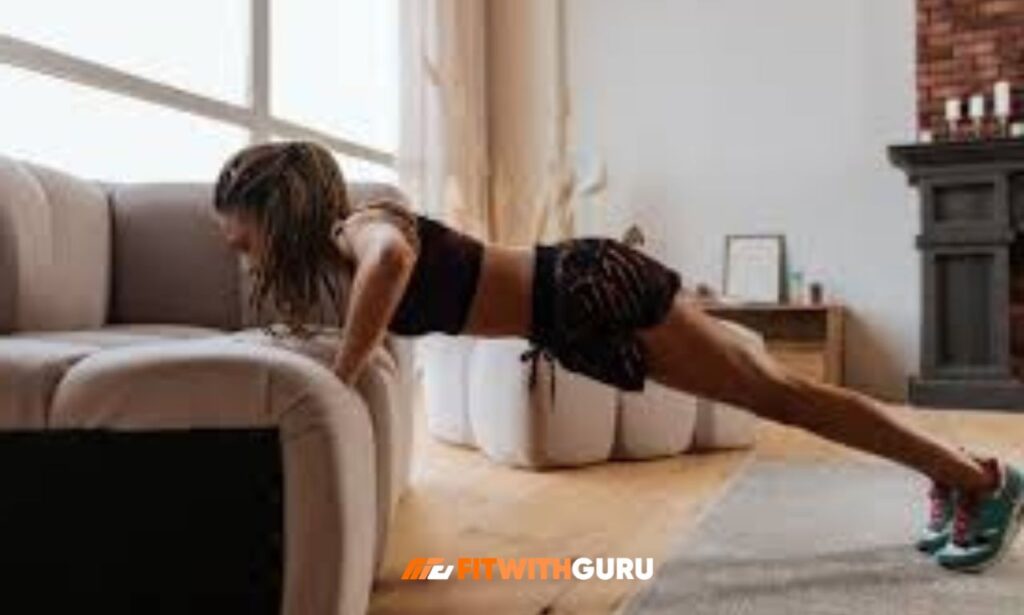
A well-structured daily strength training routine ensures balanced results and prevents fatigue. Here’s a simple framework for a home workout routine:
1. Warm-Up (5-10 Minutes)
Warming up prepares your muscles and joints, reducing the risk of injury. Include dynamic stretches and light movements, and if you’re looking to plan a more structured routine, check out different 5-day weight training splits to organize your workouts efficiently and maximize results.
- Arm Circles – 30 seconds
- Leg Swings – 30 seconds per leg
- Jumping Jacks – 1 minute
- High Knees – 1 minute
2. Main Workout (20-30 Minutes)
Focus on strength, endurance, and flexibility with the following exercises:
Upper Body
- Push-ups – 3 sets of 10-15 reps
- Tricep Dips – 3 sets of 12 reps
Lower Body
- Squats – 3 sets of 15-20 reps
- Lunges – 3 sets of 10 reps per leg
- Glute Bridges – 3 sets of 12-15 reps
Core Exercises
- Plank – 3 sets of 30-60 seconds
- Bicycle Crunches – 3 sets of 15-20 reps
- Mountain Climbers – 3 sets of 20 reps per leg
Cardio Burst
- Burpees – 3 sets of 10
- Jump Squats – 3 sets of 12
This combination creates a daily fitness routine that strengthens your entire body while providing cardiovascular benefits. For women looking to add resistance training, barbell exercises for women are a great way to build strength safely and effectively.
3. Cool Down (5-10 Minutes)
Stretching aids muscle recovery and flexibility. Include:
- Hamstring Stretch
- Quadriceps Stretch
- Shoulder Stretch
- Cobra Pose
Tips for Maximum Results
1. Consistency is Key
Even short, 20–30 minute sessions every day can deliver amazing results if done consistently. Treat your workout like a non-negotiable daily habit, just like brushing your teeth. Over time, these small, consistent efforts add up to significant improvements in strength, endurance, and overall fitness. To take your routine to the next level, bodybuilding fitness plans can provide structured guidance and help you reach your goals faster.
2. Listen to Your Body
Your body sends signals to help you avoid injury. Learn the difference between normal muscle fatigue and pain that signals strain. If an exercise feels uncomfortable or causes sharp pain, modify it. For example, do knee push-ups instead of full push-ups, or reduce jump intensity. Respecting your body ensures longevity and prevents setbacks.
3. Track Your Progress
Keeping a journal of reps, sets, exercise variations, and timing helps you stay accountable and motivated. Tracking progress also lets you see improvements over weeks, which encourages you to push further. You can even use fitness apps or a simple notebook—what matters is consistently recording your workouts.
4. Mix Up Your Routine
Avoid hitting a plateau by introducing variety. Swap standard push-ups for incline push-ups, try jump lunges instead of static lunges, or add side planks to challenge your core. Mixing exercises keeps your workouts exciting, improves overall muscle balance, and ensures steady progress. For more ideas, great dumbbell workouts can add resistance and further challenge your muscles.
5. Combine Workouts with Healthy Nutrition
Exercise alone is not enough for optimal results. A balanced diet rich in protein, healthy fats, and complex carbohydrates supports muscle repair, provides energy for workouts, and helps with fat loss. Pair your daily bodyweight workout routine with hydration, quality sleep, and mindful eating for the best results.
6. Challenge Yourself Gradually
As you get stronger, gradually increase the intensity by adding more reps, longer holds, or advanced exercise variations. For example, progress from standard planks to side planks or plank with shoulder taps. Gradual progression ensures steady gains without overloading your body. To structure your workouts effectively, you can follow a 5-day gym workout schedule for men that balances strength, cardio, and recovery.
Sample 7-Day Daily Bodyweight Workout Routine
Here’s a beginner-friendly weekly home workout plan:
Full Body
- Push-ups – 3×12
- Squats – 3×15
- Plank – 3×30 seconds
- Jumping Jacks – 3×1 minute
Upper Body Focus
- Incline Push-ups – 3×12
- Tricep Dips – 3×12
- Shoulder Taps – 3×20
- Plank – 3×45 seconds
Lower Body Focus
- Squats – 3×20
- Lunges – 3×12 per leg
- Glute Bridges – 3×15
- Jump Squats – 3×12
Core & Cardio
- Bicycle Crunches – 3×20
- Mountain Climbers – 3×20 per leg
- Plank with Shoulder Tap – 3×30 seconds
- Burpees – 3×10
Full Body HIIT
- Jumping Jacks – 3×1 minute
- Push-ups – 3×12
- Squats – 3×15
- Plank – 3×45 seconds
Active Recovery / Stretching
- Light yoga flow or stretching – 20 minutes
Optional Challenge
- Combine your favorite exercises from the week and aim to improve reps or hold times
FAQs About Daily Bodyweight Workout Routine
Q1: Can I build muscle with a daily bodyweight workout?
Yes! Bodyweight exercises like push-ups, squats, lunges, and planks are highly effective for building strength and toning muscles. The key is to challenge your muscles progressively—increase reps, sets, or try advanced variations such as one-legged squats or decline push-ups. Over time, your strength, posture, and muscle definition will improve, even without weights. For women looking for a structured approach, workout programs for ladies can provide guidance and help achieve results safely.
Q2: How long should I spend on a daily bodyweight workout?
For most people, 20–40 minutes per day is enough for noticeable results. Focus on form, consistency, and intensity rather than just time. Short, structured sessions done daily are often more effective than long, infrequent workouts. Beginners can start with shorter sessions and gradually increase duration as endurance and strength improve.
Q3: Do I need cardio if I’m doing bodyweight exercises?
Not always. Many bodyweight moves—like burpees, mountain climbers, high knees, and jump squats—double as cardio, raising your heart rate while strengthening muscles. If your goal is advanced endurance or faster fat loss, you can supplement with light cardio like running, cycling, or brisk walking. To understand the full impact of strength training on fat loss, learn how lifting burns calories and boosts metabolism.
Q4: Can beginners safely follow this routine?
Absolutely. Bodyweight workouts are very beginner-friendly. You can start with easier variations such as knee push-ups, static lunges, or shorter plank holds. As you get stronger, you can progress to standard or advanced exercises. Consistency and proper form are key to preventing injury and achieving lasting results. For women wanting a full-body approach, women’s full-body workouts provide structured routines to build strength, tone muscles, and improve fitness.
Q5: How soon will I see results with a daily bodyweight workout routine?
With consistent daily effort and a balanced diet, most people notice improvements in strength, endurance, energy, and posture within 4–6 weeks. Visible changes like muscle tone and fat reduction may take a little longer depending on your starting fitness level, but staying consistent and gradually increasing intensity ensures long-term success.
Conclusion
A daily bodyweight workout routine is one of the most accessible and effective ways to stay fit. By following a structured home workout routine, you can build strength, improve endurance, and maintain a healthy weight without ever stepping into a gym.
Consistency, proper form, and a balanced diet are the keys to success. Start small, stay committed, and gradually challenge yourself with advanced variations. Fitness is a daily habit, and bodyweight training makes it simple, effective, and enjoyable. To target your lower body, bodyweight quad exercises are excellent for building strength and stability without any equipment.
Whether your goal is strength, core stability, or cardiovascular fitness, a daily bodyweight workout routine is a practical, cost-effective, and flexible solution for long-term health.
