

How many days a week should I lift is the fundamental question every fitness enthusiast must answer when designing an effective workout routine.
The truth is, there’s no universal answer because your ideal lifting frequency depends on your experience level, recovery capacity, specific goals, and lifestyle factors.
This comprehensive guide will help you determine exactly how many days a week you should lift based on scientific evidence and practical considerations, ensuring you maximize results while avoiding overtraining and injury.
Understanding Training Frequency and Recovery
Training frequency refers to how often you perform resistance training within a week.
How many days a week should I lift depends heavily on understanding that muscle growth happens during recovery, not during the workout itself.
When you lift weights, you create microscopic tears in muscle fibers that require 48-72 hours to repair and rebuild stronger.
Research shows that training the same muscle group 2-3 times per week produces superior results compared to once-weekly training.
However, this doesn’t mean you need full-body workouts constantly – strategic splits can achieve optimal frequency while managing fatigue.
The key is finding the balance between training stimulus and adequate recovery time for consistent progress.
Beginner Lifting Frequency: 2-3 Days Per Week
If you’re wondering how many days a week should I lift as a beginner, start with 2-3 days weekly.
This moderate frequency allows your body to adapt to resistance training without overwhelming your recovery systems or increasing injury risk.
Beginners experience rapid neural adaptations and muscle growth with relatively modest training volumes.
A full-body routine performed 2-3 times weekly is ideal because it allows you to practice fundamental movement patterns frequently.
Each session should include compound exercises like squats, deadlifts, bench presses, rows, and overhead presses.
Sample Beginner Schedule:
- Monday: Full-body workout
- Wednesday: Full-body workout
- Friday: Full-body workout
- Other days: Rest or light activity
Rest days between sessions are critical, as your connective tissues, tendons, and ligaments need time to strengthen alongside muscles.
Many beginners make the mistake of training too frequently too soon, leading to excessive soreness and burnout.
Intermediate Lifter Training Schedule: 3-5 Days Per Week
After 6-12 months of consistent training, you’re ready to increase frequency to 3-5 days per week.
At this stage, how many days a week I lift involves transitioning from full-body workouts to split routines for greater training volume.
Popular intermediate splits include upper/lower body divisions performed 4 times weekly or push/pull/legs routines across 3-6 days.
This increased frequency enables more exercises and sets per muscle group while maintaining recovery by distributing workload across multiple sessions.
Upper/Lower Split Example (4 Days):
- Monday: Upper body
- Tuesday: Lower body
- Thursday: Upper body
- Friday: Lower body
This structure provides 48-72 hours of recovery for each muscle group between direct training sessions.
Intermediate lifters should monitor recovery indicators, including sleep quality, appetite, mood, and performance metrics, to ensure their frequency isn’t compromising adaptation.
Advanced Lifter Considerations: 4-6 Days Per Week
Advanced lifters with 2+ years of consistent training often require 4-6 training days per week to continue progressing.
At this level, how many days a week should I lift becomes more nuanced depending on specific goals like powerlifting, bodybuilding, or strength maintenance.
Advanced trainees utilize sophisticated programming, including periodization, varying rep ranges, and strategic deload weeks.
A bodybuilder might train 5-6 days weekly using body part splits, while a powerlifter might train 4-5 days with heavy, moderate, and light sessions.
The key distinction is training quality over quantity—advanced lifters understand that more isn’t always better.
Recovery modalities become increasingly important, including proper nutrition timing, sleep optimization, and potentially massage or sauna sessions.
Training Frequency Based on Specific Goals

Your training goals significantly influence how many days a week should I lift for optimal results.
Muscle Building (Hypertrophy): 4-5 days per week, training each muscle group 2-3 times is optimal for most individuals.
Strength Development: 3-5 days weekly with squat, bench press, and deadlift practiced multiple times at varying intensities.
Fat Loss: 3-4 days of resistance training maintains muscle mass during caloric deficits while allowing additional cardiovascular activity.
General Fitness: 2-3 days of full-body training provides substantial benefits for overall strength, bone density, and metabolic health.
| Primary Goal | Days Per Week | Training Style |
| Muscle Building | 4-5 days | Upper/Lower or PPL |
| Strength | 3-5 days | Powerlifting Programming |
| Fat Loss | 3-4 days | Full-Body or Upper/Lower |
| General Fitness | 2-3 days | Full-Body Routines |
Signs You’re Training Too Frequently
Recognizing overtraining symptoms is crucial when determining how many days a week should I lift.
Persistent muscle soreness that doesn’t improve with rest indicates excessive training frequency.
Declining performance metrics like lifting less weight or fewer reps signal inadequate recovery.
Other warning signs include:
- Disrupted sleep patterns despite physical exhaustion
- Increased resting heart rate
- Frequent minor illnesses
- Loss of motivation for training
- Mood disturbances like irritability or anxiety
- Joint pain beyond normal post-workout soreness
If you’re experiencing multiple symptoms, reduce your training frequency by 1-2 days per week and prioritize sleep, nutrition, and stress management.
Remember that taking an extra rest day often yields more progress than pushing through another workout while fatigued.
Creating Your Personalized Lifting Schedule
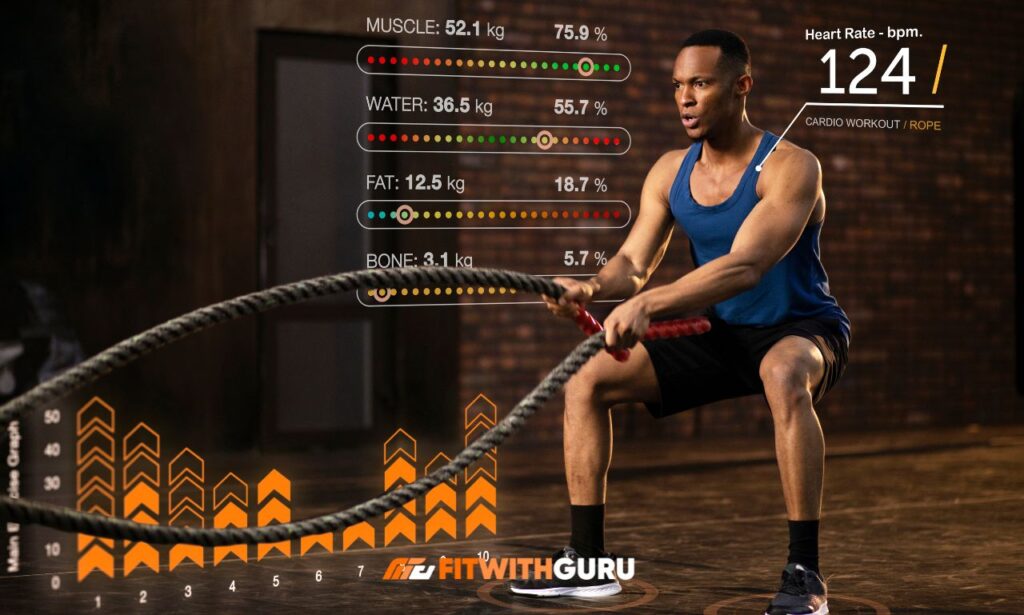
Determining your ideal answer to how many days a week I lift requires honest assessment of multiple factors.
Start by evaluating your recovery capacity based on sleep quality, daily stress levels, nutritional habits, and physical job demands.
Consider schedule constraints realistically – committing to 5 days when you can only reliably train 3 days creates frustration and inconsistency.
Track performance metrics, including strength levels, body composition changes, energy levels, and recovery quality.
Be willing to adjust based on feedback from your body – if you’re consistently fatigued, reduce frequency rather than pushing through.
Your ideal training frequency may change over time based on life circumstances, aging, goal shifts, or training experience.
Sample Weekly Training Splits
Beginner Full-Body (3 Days):
- Each session: squats, bench press, rows, overhead press, deadlifts
- 2-3 sets per exercise
Intermediate Upper/Lower (4 Days):
- Monday/Thursday: Upper body (pushing and pulling movements)
- Tuesday/Friday: Lower body (quad-dominant and hip-dominant exercises)
Push/Pull/Legs (3-6 Days):
- Push: chest, shoulders, triceps
- Pull: back and biceps
- Legs: comprehensive lower body
- Run once weekly (3 days) or twice weekly (6 days)
Advanced Body Part Split (5 Days):
- Monday: Chest
- Tuesday: Back
- Wednesday: Shoulders
- Thursday: Legs
- Friday: Arms
Choose a structure that fits your lifestyle and preferences rather than the most complex or trendy option.
FAQs
Is it better to lift 3 or 5 days a week?
The answer to how many days a week should I lift – 3 or 5 days – depends on your training experience and goals. Beginners typically see better results with 3 days weekly as it provides adequate stimulus with plenty of recovery time.
Intermediate and advanced lifters often benefit from 5 days weekly as it allows greater training volume distributed across more sessions. The deciding factor should be your recovery capacity and your ability to maintain training quality across 5 sessions.
Can I lift weights every day?
While possible, daily lifting isn’t optimal for most people’s goals when considering how many days a week should I lift. Daily training requires careful programming to manage fatigue by alternating muscle groups or intensity levels.
Advanced athletes sometimes train 6-7 days weekly, but they’ve built substantial work capacity over years. Most people achieve better results with 3-5 training days weekly, using rest days for complete recovery.
What happens if I only lift weights 2 days a week?
If you’re asking how many days a week should I lift with limited time, 2 days weekly can maintain fitness levels and produce modest improvements. Research shows training each muscle group twice weekly produces better results than once weekly, so full-body routines on both days are ideal.
While not ideal for maximizing gains, 2 days is infinitely better than not training and provides significant health benefits.
How many rest days should I take per week?
Rest days directly relate to how many days a week I lift, with most people needing 2-4 complete rest days weekly. If you’re training 3 days weekly, 4 rest days is appropriate, while someone training 5 days might need only 2 dedicated rest days.
Rest days don’t necessarily mean complete inactivity – active recovery, such as walking or yoga, can enhance recovery without impeding adaptation.
Should I lift more frequently to lose fat?
When considering how many days a week should I lift for fat loss, 3-4 days weekly is typically sufficient. Fat loss is primarily determined by caloric deficit through diet, with resistance training preserving muscle mass during weight loss.
More frequent training doesn’t necessarily accelerate fat loss and may compromise recovery when calories are restricted. Focus on training quality rather than simply increasing frequency.
Conclusion
Determining how many days a week should I lift ultimately depends on your experience level, goals, and recovery capacity. Beginners should start with 2-3 days weekly, intermediate lifters thrive on 3-5 days, and advanced trainees may require 4-6 days.
Remember that consistency over time produces results far more effectively than sporadic intense training. The ideal frequency is one you can maintain indefinitely while recovering adequately and progressing toward your goals.
Start conservatively, track your progress, and adjust based on real-world feedback from your body. Visit FitWithGuru.com for more evidence-based training guidance and expert advice.
