Are you ready to transform your body, increase your strength, and feel more confident in your daily life? Knowing how to start strength training is one of the most effective ways to achieve these goals, but many beginners feel overwhelmed by where to begin. Should you go to a gym? Which exercises are safe? How often should you train? This guide will walk you step by step through everything you need to know to start your strength training journey safely and effectively.
This guide will walk you step by step through everything you need to know to start strength training successfully. From understanding the benefits, preparing yourself mentally and physically, choosing the right exercises, to planning your weekly routine and nutrition — we cover it all.
By the end of this article, you’ll not only know how to start strength training but also have a clear, actionable plan to follow. Let’s get stronger, together!
Benefits of Preparing for Strength Training
Strength training isn’t just about lifting heavy weights — it’s about building a stronger, healthier version of yourself. Explore more exercises and tips in our strength training category to get started. Here are some key benefits:
Muscle Building and Tone – Regular strength training helps build lean muscle, giving your body a toned and defined look. Even bodyweight exercises can make a huge difference.
Fat Loss and Metabolism Boost – Muscle burns more calories than fat, even at rest. Strength training naturally increases your metabolism, helping you lose fat faster.
Improved Daily Strength – Everyday activities like carrying groceries, climbing stairs, or playing with kids become easier when your muscles are stronger.
Bone Health and Longevity – Lifting weights strengthens bones, reducing the risk of osteoporosis as you age.
Mental Benefits – Strength training releases endorphins, improving mood, confidence, and focus.
Whether you want to look fitter, feel stronger, or just have more energy, strength training is a game-changer.
Preparing for How to Start Strength Training
Prepare the reader for physical and mental readiness
Subsections for clarity
Beginner workout plan, home strength training, gym essentials
Before you start lifting weights, it’s important to prepare both your body and mind.
1. Mindset:
Strength training requires consistency and patience. Focus on progress, not perfection. Set small, achievable goals — like performing 10 push-ups in a row or trying our bodyweight workout for women at home or adding 5 lbs to your dumbbell routine.
2. Equipment Needed: How to Start Strength Training
You don’t need an expensive gym membership to start. Here’s what beginners can use:
Bodyweight (push-ups, squats, lunges)
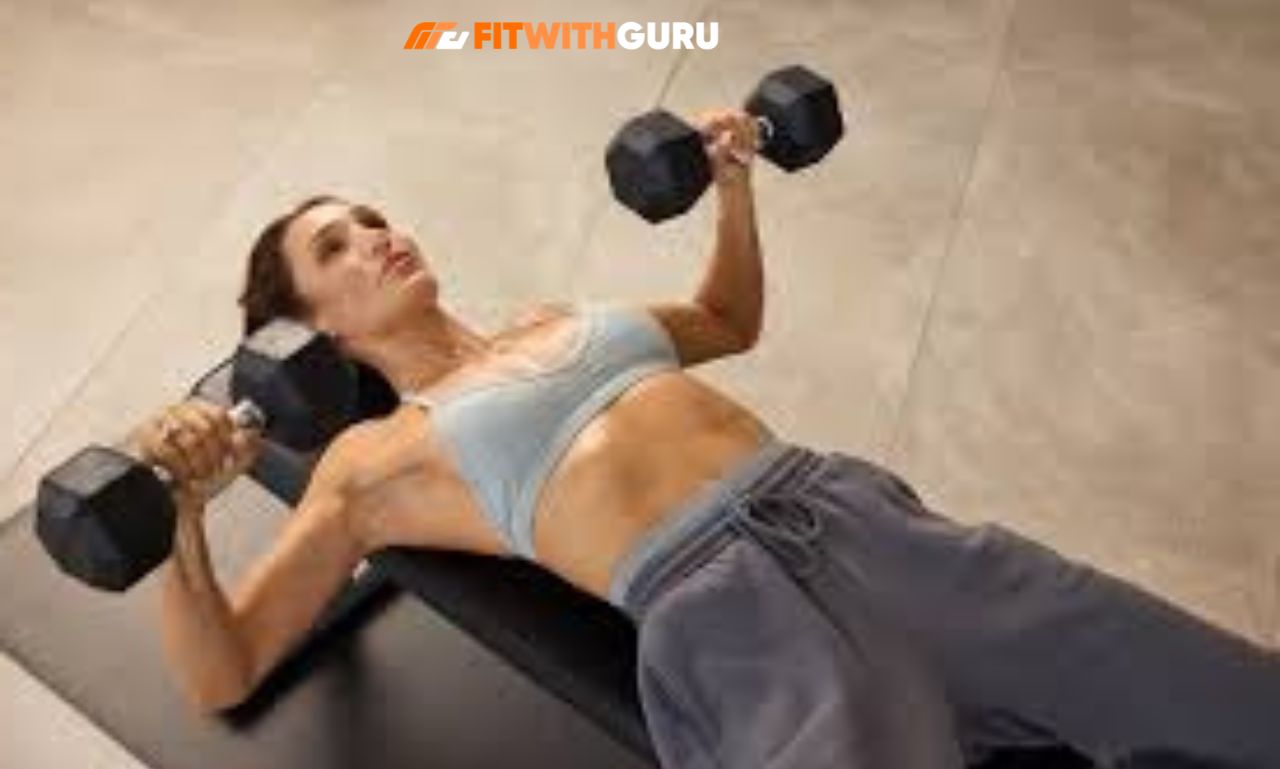
Dumbbells (5–20 lbs depending on strength)
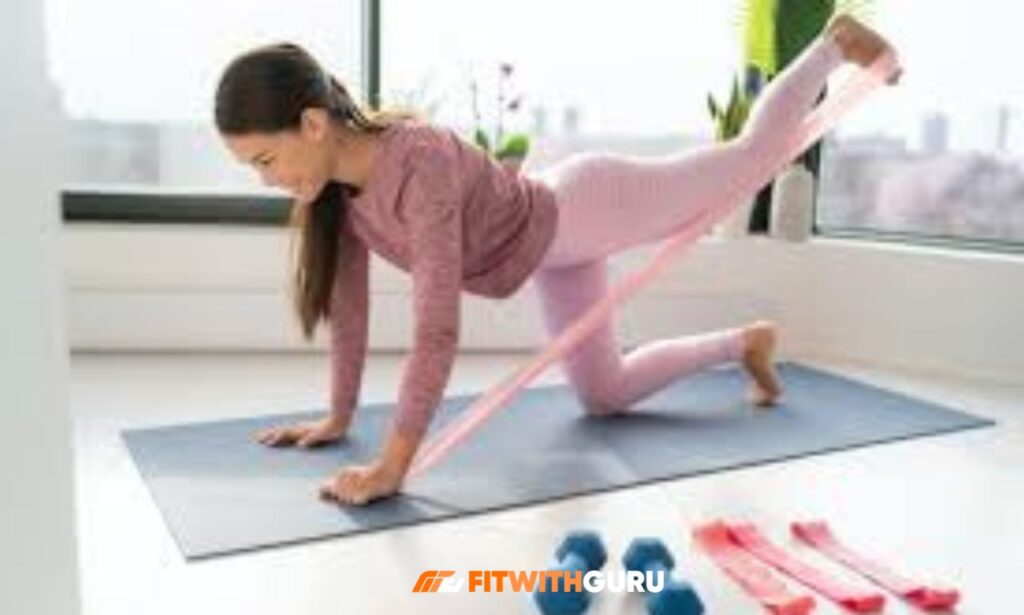
Resistance bands
Optional: gym access for machines and barbells
3. Warm-Up Essentials:
Always start with a 5–10 minute warm-up to prevent injuries. Simple movements like jumping jacks, arm circles, or light jogging prepare your muscles for heavier work. You can also follow our exercise routines with dumbbells to gradually increase intensity and strength.
Getting ready mentally and physically sets you up for a safe, effective, and enjoyable strength training journey.
Strength Training Exercises for Beginners
Strength training can feel overwhelming for beginners, but starting with the right exercises will help you build a solid foundation, improve strength, and prevent injuries. You don’t need heavy weights or a fancy gym — simple bodyweight, dumbbell, and machine exercises are enough. For more guidance, check out our best split training routines to structure your workouts effectively.
Bodyweight Exercises (No Gym Needed)
Exercise
Reps & Sets
Notes
Push-ups
3 sets x 8–12
Start on knees if needed, keep your core tight
Squats
3 sets x 10–15
Keep back straight, chest up
Lunges
3 sets x 10 per leg
Step forward and maintain balance
Plank
3 x 20–30 sec
Engage core, avoid sagging back
Tips:
Bodyweight exercises are perfect for beginners or home workouts.
Focus on form first, then gradually increase reps or sets.
Dumbbell Exercises (Beginner-Friendly Gym or Home)
Exercise
Reps & Sets
Notes
Dumbbell Shoulder Press
3 x 10–12
Seated or standing, keep core tight
Dumbbell Row
3 x 10–12
Pull with your back muscles, not arms
Bicep Curls
3 x 12–15
Avoid swinging, slow and controlled
Dumbbell Deadlift
3 x 10–12
Hinge at hips, back straight
Tips:
Start with light weights to master the form.
Rest 60–90 seconds between sets to recover.
Machines (Gym Optional)
Leg Press – Strengthens quads, glutes, and hamstrings
Chest Press – Builds chest and triceps
Lat Pulldown – Targets back and biceps
Machines are optional for beginners but can help maintain correct form and add controlled resistance. If you prefer workouts without any equipment, explore our bodyweight workout category for effective routines you can do at home.
General Tips for Beginners
Start with full body routines 2–3 times per week.
Focus on compound movements that work multiple muscles at once.
Track your progress in a notebook or app.
Avoid training the same muscle group every day — recovery is essential.
By following these beginner-friendly exercises, you’ll not only gain strength but also build confidence in your workouts. Mastering these basics sets you up for progressive overload and long-term fitness success.
How to Plan Your Strength Training
Planning your workouts is just as important as performing them. A well-structured strength training schedule helps you stay consistent, avoid injuries, and see real results over time. Beginners can also follow our women’s full body strength training workout for a ready-to-use routine to get started effectively.
Sample Weekly Routine
For beginners, a full-body workout 2–3 times per week is ideal. Example:
Monday: Full body workout (push-ups, squats, dumbbell rows)
Wednesday: Full body workout (lunges, planks, dumbbell shoulder press)
Friday: Full body workout (squats, push-ups, dumbbell curls)
This schedule ensures you train all major muscle groups without overworking them.
Progressive Overload
To gain strength, you need to challenge your muscles gradually — this is called progressive overload. For targeted results and muscle definition, check out our strength training for toning routines.
Increase dumbbell weight by 2–5 lbs every 2–3 weeks
Add 1–2 more reps per set over time
Increase intensity by slowing down your movements or adding extra sets
Progressive overload helps muscles adapt and grow stronger while preventing plateaus. Seniors can also benefit from targeted exercises — check out our leg strengthening exercises for elderly for safe and effective routines.
Rest and Recovery
Muscles grow during rest, not while you’re working out. Beginners should:
Take at least one full rest day between strength sessions
Sleep 7–9 hours per night to support muscle repair and growth
Use light stretching or yoga on off-days to improve flexibility
Tips for Beginners How to Start Strength Training
Focus on compound movements that work multiple muscles at once (squats, push-ups, deadlifts)
Track your workouts in a notebook or app to monitor progress
Avoid training the same muscle group every day; allow recovery
Stay consistent — even small improvements over weeks add up to big results
By planning your workouts carefully, applying progressive overload, and prioritizing rest, you’ll set yourself up for consistent strength gains and long-term success. If you enjoy outdoor activities, our how to train for hiking guide can help you build strength and endurance for the trails.
Nutrition Tips for How to Start Strength Training
Proper nutrition is just as important as your workouts when it comes to building strength and muscle. Without the right fuel, your energy will drop, recovery will be slow, and progress will be limited. Here’s a beginner-friendly guide to strength training diet essentials:
1. Protein Intake
Protein is the building block of muscles. Aim for 1.2–2.0 grams of protein per kg of body weight daily. Good sources include:
Chicken, fish, eggs
Beans, lentils
Greek yogurt or cottage cheese
Protein helps repair and grow muscles after workouts, and it keeps you full and energized throughout the day. To learn more about different approaches, check out our types of strength training guide and see which method suits your goals best.
2. Carbohydrates
Carbs are your body’s main energy source. Fuel your workouts with:
Whole grains like oats, brown rice, and quinoa
Fruits like bananas, berries, and apples
Vegetables for fiber and essential nutrients
Carbs help sustain energy during training and improve performance.
3. Healthy Fats
Don’t skip fats — they are crucial for hormone production and overall health. Include healthy sources like nuts, seeds, and olive oil. For athletes, check out our strength training exercises for swimmers to see how nutrition and targeted workouts improve performance.
Nuts and seeds
Olive oil and avocado
Fatty fish like salmon
Healthy fats support recovery, joint health, and energy levels.
4. Hydration
Drink 2–3 liters of water daily. Staying hydrated aids muscle recovery, reduces fatigue, and prevents cramps during workouts.
5. Supplements (Optional)
Whey protein for convenience
Creatine for increased strength and faster recovery
Pairing good nutrition with your strength workouts ensures better energy, faster muscle growth, and improved results. Remember: food is your fuel — train smart and eat smart! Women over 40 can check out our strength training for women over 40 routines to stay strong and healthy at any age.
Common Mistakes to Avoid in How to Start Strength Training
Starting strength training can be exciting, but beginners often make avoidable mistakes that slow progress or even cause injuries. Here are the most common ones and how to prevent them:
1. Skipping Warm-Up
Jumping straight into exercises without warming up can lead to muscle strains and joint injuries. Always spend 5–10 minutes on light cardio or dynamic stretches to prepare your body. You can also try our circuit training exercises for weight loss to combine cardio and strength safely.
2. Poor Form
Using incorrect form is one of the biggest reasons beginners get injured. For example, rounding your back during squats or letting elbows flare during push-ups can cause harm. Focus on proper technique, start with lighter weights, and consider following video tutorials or professional guidance.
3. Overtraining
Muscles don’t grow during workouts — they grow during rest. Training the same muscle group every day without adequate recovery can lead to fatigue, soreness, or even injury. Stick to 2–3 sessions per week for beginners and allow rest days. For a refreshing change, try our outdoor workout routines with no equipment to stay active while giving your muscles proper recovery.
4. Ignoring Nutrition
Strength training without proper nutrition is like building a house without bricks. Protein, carbs, and healthy fats fuel your workouts and help muscles recover. Skipping meals or under-eating can slow down progress.
5. Impatience
Strength gains don’t happen overnight. Many beginners quit when they don’t see instant results. Consistency and patience are key — track progress, celebrate small wins, and focus on gradual improvement. For athletes looking to improve endurance and overall performance, check out our triathlon strength training routine for structured guidance.
By recognizing and avoiding these mistakes early, you can train safely, improve faster, and stay motivated on your journey to strength.
FAQs
Q1: How often should I strength train as a beginner?
For beginners, 2–3 full-body strength training sessions per week are ideal. This allows your muscles enough time to recover and grow between workouts. Recovery days are just as important as training days because muscles repair and get stronger while resting. You can also incorporate light cardio or stretching on rest days to stay active without overtraining. If you’re interested in building serious strength, try our strength training program for powerlifting for structured guidance.
Q2: Do I need a gym for strength training?
A: Not at all! You can start strength training at home using bodyweight exercises like push-ups, squats, and planks. Simple equipment like dumbbells or resistance bands can enhance your workouts. Gym machines are optional; what matters most is consistency and performing exercises with correct form. Home strength training routines can be just as effective as gym workouts, especially for beginners.
Q3: How long before I see results?
Strength improvements are usually noticeable in 4–6 weeks for beginners. Muscle definition and visible gains can take 8–12 weeks, depending on diet, intensity, and consistency. Remember, strength training is a gradual process — tracking your progress weekly can help you stay motivated and see small improvements over time. For easier tracking, use our strength training log to record workouts and monitor progress.
Q4: Can women do strength training without getting bulky?
A: Yes! Most women gain lean muscle and strength without excessive bulk due to lower testosterone levels compared to men. Strength training helps improve metabolism, tone muscles, and enhance overall fitness. Incorporating moderate weights, high reps, and a balanced diet will build strength while maintaining a lean physique.
Q5: What is the best time to train?
Morning or evening — whichever fits your schedule. Consistency is far more important than timing. Some people feel stronger and more energetic in the morning, while others prefer evenings. Choose a time you can stick to regularly, as this consistency will drive results over weeks and months. Sprinters can also benefit from our sprinter strength training routines to optimize timing, power, and endurance.
Q6: Should I take supplements for strength training?
Supplements are optional for beginners. Prioritize a protein-rich diet with eggs, chicken, beans, and dairy first. Whey protein or creatine can support muscle growth and recovery but are not mandatory. Focus on building good eating habits and a consistent workout routine before adding supplements. Beginners can also follow our strength training 4-day split for a structured approach to workouts and recovery.
Conclusion
Starting strength training can feel intimidating, but with the right guidance, it’s simple, safe, and incredibly rewarding. By following the beginner exercises, planning your workouts, fueling your body with proper nutrition, and staying consistent, you’ll build strength, confidence, and energy for everyday life. For controlled and effective movements at home, try our slow motion strength training at home routines.
Ready to take the next step? Download our FREE beginner strength training plan today and get a step-by-step guide you can start at home or at the gym.