
A strong and well-developed back is essential for posture, strength, and overall fitness. Many people focus heavily on chest or arm workouts but often overlook back training. However, incorporating printable dumbbell back exercises into your routine can significantly improve muscle balance, prevent injuries, and enhance your overall physique.
The best part about dumbbell back workouts is their versatility. You can perform them at home, in the gym, or even while traveling with minimal equipment. If you’re looking for an easy-to-follow printable dumbbell back workout routine, this guide will provide everything you need.
In this article, you will learn:
- The benefits of dumbbell back exercises
- The best printable dumbbell back exercises for home workouts
- A structured workout routine you can print and follow
- Training tips for maximum muscle growth
- Frequently asked questions about dumbbell back training
Let’s get started.
Why Dumbbell Back Exercises Are Important

Training your back muscles is essential for maintaining a strong and healthy body. The back consists of several major muscles, including the latissimus dorsi, rhomboids, traps, and erector spinae, which support your spine and help with everyday movements like pulling, lifting, and maintaining posture. For a minimalist approach to strength training, you can check out this minimalist workout routine to build back strength efficiently at home.
Key Benefits of Dumbbell Back Workouts
1. Improved Posture
Modern lifestyles often involve sitting for long periods, which can weaken the back muscles. Regular dumbbell back exercises strengthen the upper and middle back, helping you maintain proper posture.
2. Balanced Muscle Development
Many people overtrain chest muscles but neglect the back. Balanced training prevents muscular imbalances and reduces injury risk.
3. Increased Functional Strength
Back muscles are involved in many daily movements such as lifting objects, carrying bags, and pulling motions.
4. Convenience for Home Workouts
Dumbbells require minimal space and equipment, making them ideal for at-home back workouts.
5. Better Athletic Performance
Athletes rely heavily on strong back muscles for sports like swimming, rowing, and weightlifting.
Printable Dumbbell Back Exercises You Can Do Anywhere
Below are some of the most effective dumbbell back exercises you can include in your printable workout routine.
1. Dumbbell Bent-Over Row
The dumbbell bent-over row is one of the most effective exercises for building overall back strength.
How to Perform
- Hold a dumbbell in each hand.
- Bend slightly at the knees and hinge forward at the hips.
- Keep your back straight and core tight.
- Pull the dumbbells toward your torso.
- Lower them slowly to the starting position.
Muscles Worked
- Latissimus dorsi
- Rhomboids
- Rear deltoids
- Trapezius
Recommended Sets
3–4 sets of 8–12 repetitions.
2. Single-Arm Dumbbell Row
The single-arm dumbbell row helps isolate each side of the back, improving muscle symmetry.
Steps
- Place one knee and hand on a bench.
- Hold a dumbbell with the opposite hand.
- Pull the dumbbell toward your waist.
- Squeeze your back muscles at the top.
- Lower slowly and repeat.
Benefits
- Improves unilateral strength
- Targets the middle back
- Enhances stability
3. Dumbbell Reverse Fly
The dumbbell reverse fly focuses on the upper back and rear shoulders.
Instructions
- Hold dumbbells while bending slightly forward.
- Keep arms slightly bent.
- Raise the dumbbells outward like wings.
- Squeeze shoulder blades together.
- Slowly return to starting position.
Muscles Targeted
- Rear deltoids
- Upper traps
- Rhomboids
4. Dumbbell Deadlift
Although the dumbbell deadlift is commonly considered a leg exercise, it also strongly engages the lower back. For a full-body at-home workout, you can complement it with exercises using the best resistance bands for home workouts to target multiple muscle groups effectively.
How to Do It
- Stand with dumbbells at your sides.
- Push hips back while lowering the weights.
- Keep the spine neutral.
- Return to standing by driving hips forward.
Muscles Worked
- Lower back
- Glutes
- Hamstrings
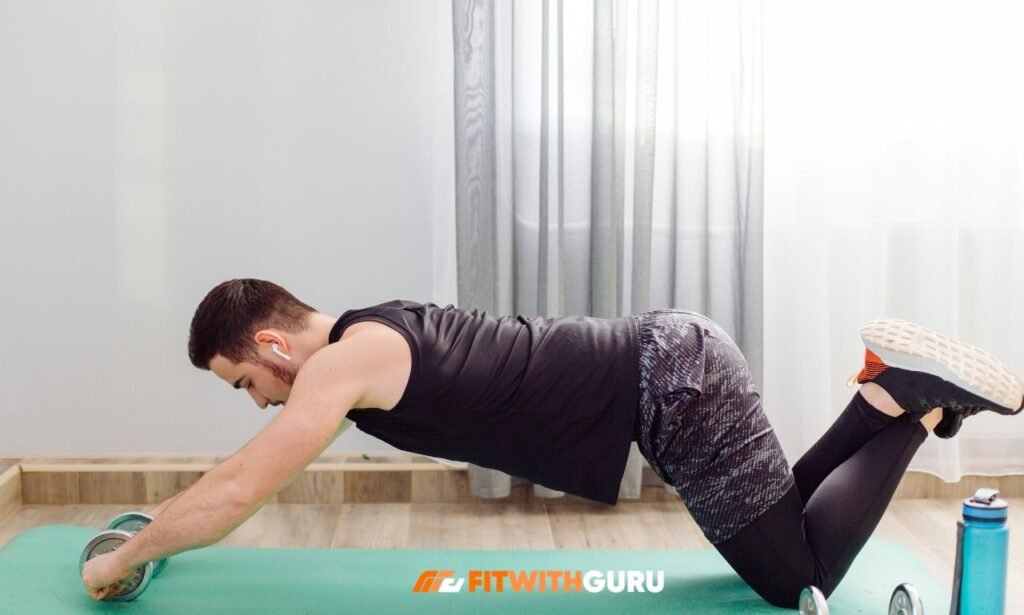
5. Dumbbell Renegade Row
This advanced movement combines core stability with back strength.
Steps
- Start in a push-up position holding dumbbells.
- Row one dumbbell toward your waist.
- Lower it back down.
- Alternate sides.
Benefits
- Strengthens core
- Builds back muscles
- Improves balance
6. Dumbbell Pullover
The dumbbell pullover is excellent for stretching and strengthening the lats.
Instructions
- Lie on a bench holding one dumbbell.
- Extend arms above chest.
- Lower the dumbbell behind your head.
- Bring it back to starting position.
Target Muscles
- Lats
- Chest
- Serratus anterior
Printable Dumbbell Back Workout Routine
You can follow this simple printable routine 2–3 times per week.
Beginner Routine
Bent-Over Dumbbell Rows – 3 sets × 10 reps
Single-Arm Dumbbell Rows – 3 sets × 10 reps each side
Dumbbell Reverse Fly – 3 sets × 12 reps
Dumbbell Deadlift – 3 sets × 10 reps
Intermediate Routine
Bent-Over Rows – 4 sets × 8 reps
Renegade Rows – 3 sets × 10 reps
Reverse Fly – 3 sets × 12 reps
Dumbbell Pullover – 3 sets × 12 reps
You can print this routine and keep it in your gym bag or workout area for easy reference.
Tips for Maximizing Your Back Workout
To achieve the best results from dumbbell back exercises, it’s important to follow proper training techniques and maintain consistency. Small improvements in your workout approach can significantly enhance muscle activation, strength gains, and overall performance. Beginners looking for simple ways to get started can also explore easy bodyweight exercises for beginners to build a strong foundation before adding dumbbells.
Focus on Proper Form
Maintaining proper form is essential when performing any dumbbell back workout. Correct technique ensures that the targeted muscles—such as the lats, traps, and rhomboids—are fully engaged during each movement. Poor form not only reduces workout effectiveness but also increases the risk of injury. Always keep your back straight, engage your core, and move the weights in a controlled manner.
Use Progressive Overload
Progressive overload is one of the most important principles for building muscle. Gradually increasing the weight, repetitions, or sets challenges your muscles and encourages growth over time. Start with a manageable weight and slowly increase the resistance as your strength improves.
Control the Movement
Avoid rushing through your exercises or swinging the dumbbells. Performing slow and controlled movements helps maintain proper technique and improves the mind-muscle connection. Focus on lifting the weight with your back muscles rather than relying on momentum. For a consistent daily routine that strengthens your muscles effectively, you can also follow this daily bodyweight workout routine.
Train the Back Regularly
Consistency is key when building a stronger back. Aim to include dumbbell back workouts two to three times per week as part of your overall fitness routine. This frequency allows enough training stimulus while also giving your muscles time to recover and grow.
Combine With Other Exercises
For the best results, combine dumbbell back exercises with other effective movements such as pull-ups, resistance band rows, or bodyweight exercises. This combination helps target the back muscles from different angles and creates a more balanced and effective training program.
Common Mistakes in Dumbbell Back Training
Even experienced lifters sometimes make mistakes during dumbbell back exercises that can slow progress or increase the risk of injury. Avoiding these common errors will help you get better results from your dumbbell back workout routine.
Rounding the Back
One of the most common mistakes during exercises like bent-over rows or dumbbell deadlifts is rounding the lower back. This puts unnecessary stress on the spine and can lead to injury. To improve posture and strengthen your muscles safely, consider incorporating fat-burning bodyweight exercises into your routine.
Always keep your spine neutral, chest up, and core engaged while performing back exercises. Maintaining proper posture ensures that the target muscles—such as the lats and rhomboids—are activated effectively.
Using Too Much Weight
Many people try to lift weights that are too heavy, which often leads to poor form and reduced muscle activation. While lifting heavier weights may seem impressive, it can limit the effectiveness of your workout.
Start with a manageable weight that allows you to perform controlled repetitions, and gradually increase the resistance as your strength improves.
Ignoring the Mind-Muscle Connection
The mind-muscle connection is crucial when training the back. If you simply move the weights without focusing on the target muscles, you may end up using your arms or momentum instead of your back.
During each repetition, focus on squeezing your shoulder blades together and fully engaging your back muscles. This simple technique can maximize muscle activation and make your dumbbell back workouts far more effective.
For those looking for a structured plan, you can also check out a 12-week dumbbell workout routine here to help organize your at-home training.
Frequently Asked Questions (FAQs)
1. Can dumbbells effectively build back muscles?
Yes, dumbbells can effectively build strong and well-defined back muscles. Exercises such as bent-over rows, single-arm rows, and dumbbell pullovers target the major muscles of the back including the lats, traps, and rhomboids. When performed consistently with proper form and progressive overload, dumbbell back exercises can significantly increase strength and muscle size. For a more structured approach, check out these exercise routines with dumbbells to plan your workouts efficiently.
2. How often should I train my back with dumbbells?
For optimal results, most fitness professionals recommend training your back two to three times per week. This frequency allows your muscles enough time to recover and grow stronger while maintaining consistent progress in your dumbbell back workout routine.
3. Are dumbbell back exercises suitable for beginners?
Yes, dumbbell back exercises are ideal for beginners because they are simple to learn and easy to adjust. Beginners can start with lighter weights and gradually increase resistance as their strength improves. Many beginner-friendly exercises, such as rows and reverse flys, can also be performed safely at home.
4. Can I do a complete back workout at home with only dumbbells?
Absolutely. A full back workout with dumbbells at home is possible without expensive gym equipment. Exercises like dumbbell rows, reverse flys, dumbbell deadlifts, and pullovers effectively target the upper, middle, and lower back muscles.
5. What is the best dumbbell exercise for the upper back?
Some of the best upper back dumbbell exercises include the bent-over row, reverse fly, and single-arm row. These exercises help strengthen the rhomboids, traps, and rear deltoids while improving posture and upper-body stability.
6. How many repetitions should I perform for Printable dumbbell back exercises?
For muscle growth, aim for 8–12 repetitions per set with moderate to heavy weights. If your goal is muscular endurance, you can increase the repetitions to 12–15 reps per set while maintaining proper technique throughout the movement.
7. Do dumbbell back exercises help improve posture?
Yes, strengthening the back muscles with regular dumbbell back workouts can significantly improve posture. Strong upper and mid-back muscles help pull the shoulders back, reduce slouching, and support proper spinal alignment.
8. Should I train back and biceps on the same day?
Yes, many workout routines combine back and biceps training because both muscle groups are involved in pulling movements. Exercises like rows and pullovers naturally activate the biceps, making them a great combination for an efficient upper-body workout session. If you’re wondering about training frequency, you can also explore full-body workouts you can do every day to complement your back and biceps routine safely.
Conclusion
Incorporating printable dumbbell back exercises into your fitness routine is one of the most effective ways to build strength, improve posture, and enhance overall performance. Dumbbells offer versatility and convenience, making them ideal for both beginners and experienced athletes. For those looking for a complete plan, check out these bodybuilding and fitness plans to structure your workouts effectively.
By following a structured routine that includes exercises like bent-over rows, single-arm rows, reverse flys, and dumbbell deadlifts, you can target every major muscle in your back. Remember to focus on proper form, progressive overload, and consistent training for the best results.
Whether you work out at home or in the gym, a printable dumbbell back workout plan helps you stay organized and committed to your fitness goals.
Start incorporating these exercises today, print your workout routine, and take the first step toward building a stronger and healthier back. To explore more workouts and fitness tips, visit FitWithGuru for expert guidance and routines.
