
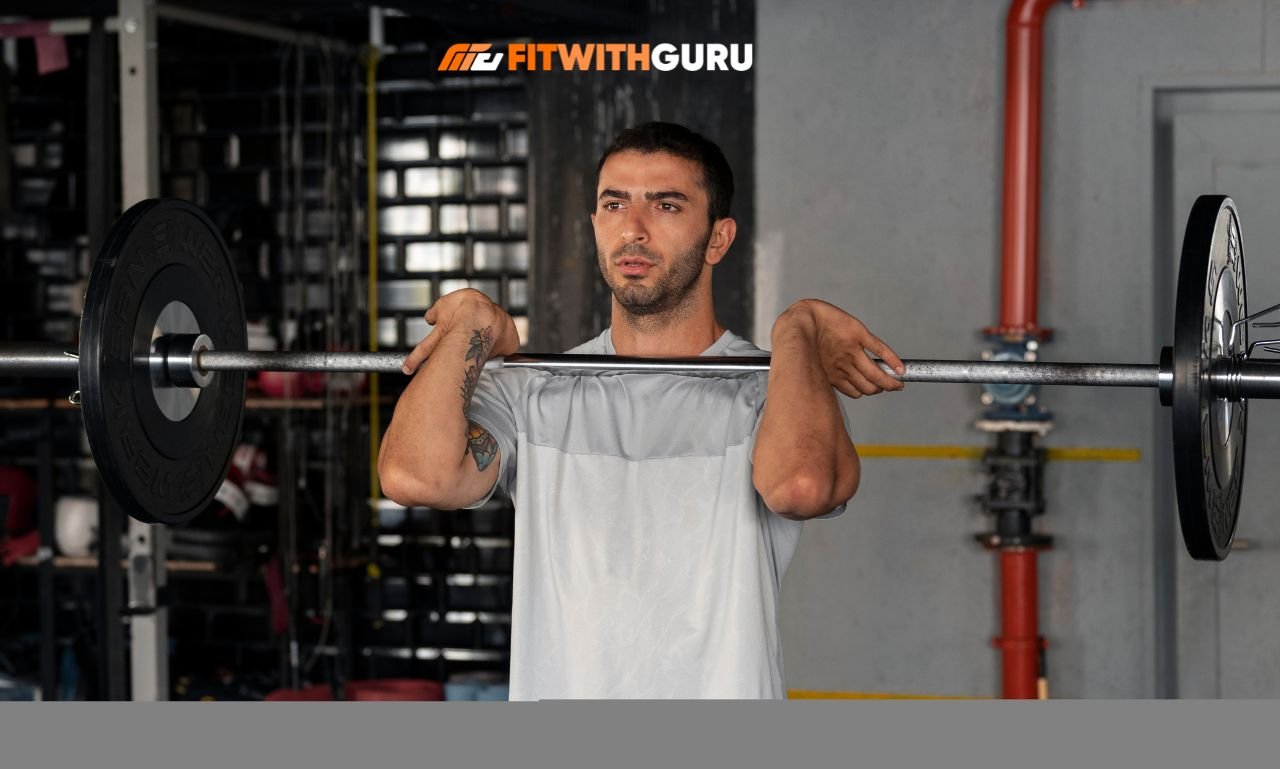
Choosing the right weight for your workouts is one of the most common questions in fitness: “What weight should I lift?” Whether you are new to strength training or returning after a break, lifting the wrong weight can hinder progress, increase injury risk, or make workouts frustrating. This comprehensive guide will help you determine the right weight for your goals, body type, and experience level, while also sharing practical tips, common mistakes, and expert advice.
Why Choosing the Right Weight Matters
Lifting weights isn’t just about moving heavy objects; it’s about stimulating your muscles effectively and safely. Using too light a weight may make the workout too easy, limiting muscle growth and strength gains. On the other hand, lifting too heavy can compromise form, increase the risk of injury, and lead to burnout. For a balanced approach that targets all major muscle groups, check out our Whole Body Strength Training guide.
The ideal weight should challenge your muscles while still allowing you to complete the proper number of repetitions with good form. It should push you slightly outside your comfort zone, making your muscles work harder without causing strain or pain.
Understanding Your Fitness Goals
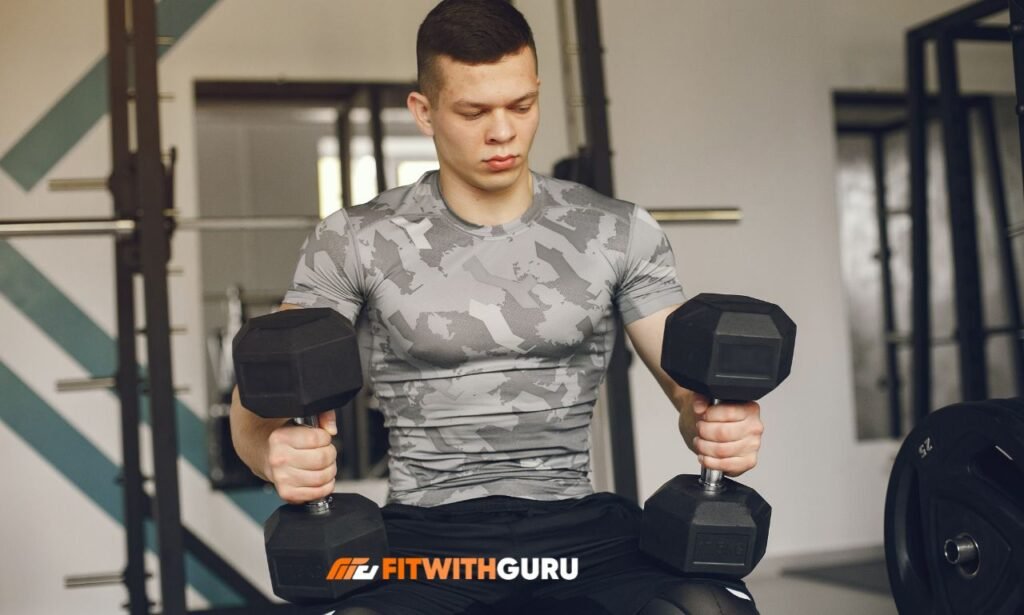
Before asking “what weight should I lift?” you need to clarify your fitness goals. Your choice of weight depends largely on whether you want to build strength, muscle, endurance, or lose fat. For a simple method to determine how much weight to lift, check out this guide from Verywell Fit.
1. Building Strength
Strength training typically uses heavier weights with lower repetitions (3–6 reps per set). The goal is to maximize force output and recruit more muscle fibers. If your goal is strength, choose a weight that challenges you but allows you to maintain proper form throughout the set. To combine strength with fat loss effectively, check out our Best Strength Training Program for Fat Loss guide.
2. Muscle Hypertrophy (Muscle Growth)
For muscle growth, moderate to heavy weights with 8–12 reps per set are ideal. This range provides enough tension on the muscles to stimulate growth. Lifting too light will not trigger hypertrophy effectively, while lifting too heavy might reduce the number of reps you can do safely.
3. Endurance
For muscular endurance, lighter weights with 15–20+ repetitions are preferred. The goal here is to keep the muscles active over a longer period rather than max out strength.
4. Fat Loss
Weight selection for fat loss depends on combining resistance training with cardio. Moderate weights with 10–15 reps help maintain muscle mass while burning calories efficiently.
Factors to Consider When Choosing the Right Weight
Choosing the right weight isn’t just about lifting the heaviest dumbbell you can find—it’s about matching resistance to your fitness goals, experience, and body needs. Several factors influence what weight you should lift, and understanding them will help you get safer and faster results. If you’re looking to build muscle without a gym, check out our guide on Muscle Building Without Gym for effective at-home strategies.
1. Fitness Level
Your experience plays a big role in weight selection:
- Beginners: Start with light weights to learn proper form. Even 5–10 lbs for dumbbells may be enough. Focus on resistance training weight selection to build a solid foundation.
- Intermediate Lifters: Gradually increase the weight as your strength and confidence improve. Incorporate moderate dumbbells for hypertrophy or endurance exercises.
- Advanced Lifters: Can lift heavier weights for strength, power, or muscle growth goals. Using progressive overload techniques ensures continuous improvement.
2. Exercise Type
The type of exercise affects how much weight you can safely lift:
- Compound Exercises (squats, deadlifts, bench presses) recruit multiple muscle groups and usually allow heavier loads. These exercises are key for muscle growth and overall strength.
- Isolation Exercises (bicep curls, tricep extensions) target a single muscle and require lighter weights to maintain proper form and prevent injury.
3. Reps and Sets
Your repetition and set scheme changes the ideal weight:
- Heavier Weight → Fewer Reps → More Strength
- Moderate Weight → Moderate Reps → Muscle Growth
- Light Weight → High Reps → Muscular Endurance
By understanding this, you can align your weight with your fitness goals and workout plan, making every set more effective. For more guidance on how much weight to lift during strength training, check out this PowerBuild Physiotherapy guide.
4. Personal Health Considerations
If you have joint pain, injuries, or chronic conditions, start with lighter weights and higher reps. Focus on safe lifting techniques and avoid pushing beyond your comfort zone. Always consult a physician or certified trainer before attempting heavy lifts, especially if you have medical concerns. For guidance on structuring your workouts safely and effectively, explore our Workout Training Splits guide.
How to Test Your Ideal Weight
Finding the right weight for your workouts is all about trial, observation, and gradual progression. Here’s a step-by-step guide to help you get it right:
1. Start with a Test Weight
Choose a weight and perform 8–12 reps with proper form. This range works well for most beginners and helps you gauge the right level of resistance.
2. Assess Your Effort
- The last 2–3 reps should feel challenging but still doable.
- If you finish the set easily, the weight is too light.
- If your form breaks down or you fail before completing 6 reps, the weight is too heavy.
3. Watch for Signs
- Too Light: You can easily do more than 12–15 reps without feeling fatigued.
- Too Heavy: You struggle to complete the set or compromise form, increasing injury risk.
4. Apply Progressive Overload
As you get stronger, gradually increase the weight:
- Upper body exercises: Add 2–5 lbs (1–2 kg)
- Lower body exercises: Add 5–10 lbs (2–5 kg)
This ensures consistent strength gains and muscle growth without overloading your body too quickly.
Pro Tip:
Always prioritize form over weight. It’s better to lift lighter weights correctly than heavier weights poorly. Track your progress weekly and adjust accordingly. For expert tips on choosing the right weights for strength training, check out this Peloton guide.
Common Mistakes to Avoid When Choosing Weight
Many people struggle with the question, “What weight should I lift?” because of these common mistakes. Avoiding them can save you from injury and help you see better results.
1. Lifting Too Heavy Too Soon
Jumping straight into heavy weights may seem tempting, but it often leads to injuries and poor form. Beginners should focus on mastering technique first, then gradually increase the weight as strength improves. For a safe and effective approach tailored for women, check out our Women’s Full Body Strength Training Workout guide.
2. Ignoring Proper Form
Even the heaviest weights won’t help if your form is incorrect. Always prioritize technique over load—proper form protects your joints, targets the right muscles, and maximizes gains.
3. Neglecting Recovery
Muscles don’t grow while you’re lifting—they grow while you rest and recover. Overworking the same muscle group every day can lead to fatigue, injuries, and stalled progress. Give your body 48–72 hours to recover before training the same muscles heavily.
4. Using a “One-Size-Fits-All” Approach
There’s no universal weight that works for everyone. Your weight selection should be personalized based on your fitness goals, body type, experience level, and the type of exercise you’re doing.
Tip: Track your progress, listen to your body, and adjust weights gradually to ensure safe and effective results. For more expert fitness tips and workout guides, visit Fit With Guru.
Sample Weight Guidelines for Beginners
Here’s a practical guide for those just starting out:
| Exercise | Beginner Men | Beginner Women |
| Dumbbell Bicep Curl | 10–20 lbs | 5–10 lbs |
| Dumbbell Shoulder Press | 15–25 lbs | 5–15 lbs |
| Dumbbell Bench Press | 20–40 lbs | 10–20 lbs |
| Squats (Dumbbells) | 20–40 lbs | 10–20 lbs |
| Deadlift (Dumbbells) | 25–50 lbs | 10–30 lbs |
Tips:
- Start at the lower end, gradually increase.
- Always prioritize form and controlled motion.
- Adjust based on how your body feels after each set.
Frequently Asked Questions (FAQs)
1. How many reps should I do per set?
- Strength: 3–6 reps per set to build maximum power.
- Muscle Growth (Hypertrophy): 8–12 reps per set to stimulate muscle development.
- Endurance: 15–20+ reps per set to improve stamina and muscular endurance.
Tip: Adjust reps based on how challenging the last few feel—your muscles should be working hard but not compromising form.
2. Can I lift heavy every day?
No. Your muscles need 48–72 hours to recover after a heavy lifting session. Overtraining can lead to fatigue, injury, or stalled progress. A better approach is to alternate muscle groups or focus on lighter weights and higher reps on off-days. For safe exercises that build strength while protecting joints, especially for older adults, check out our Leg Strengthening Exercises for Elderly guide.
3. How do I know if I’m lifting the right weight?
A good rule of thumb: the last 2–3 reps of your set should feel challenging but still doable with proper form. If you can breeze through the entire set, the weight is too light. If your form breaks down before finishing, it’s too heavy.
4. Do heavier weights always mean bigger muscles?
Not always. Muscle growth depends on volume, reps, and consistency, not just lifting heavy. Proper technique, balanced nutrition, and progressive overload are equally important for building strong, healthy muscles. For tips on combining strength with lean muscle toning, check out our Strength Training for Toning guide.
5. How fast should I increase weight?
Increase weights gradually. For upper body exercises, add 2–5 lbs, and for lower body exercises, add 5–10 lbs—but only when you can complete all your reps with good form. Slow and steady progression prevents injury and ensures sustainable gains.
Conclusion
Deciding what weight you should lift depends on your goals, fitness level, and exercise type. Beginners should start light to master form, while intermediate and advanced lifters can progressively increase weight to build strength and muscle. Remember, lifting smart is better than lifting heavy: good form, proper reps, and gradual overload are the keys to safe and effective training. To learn more about different training methods, check out our Types of Strength Training guide.
By understanding your body, tracking your progress, and following the guidelines in this article, you’ll not only lift the right weight but also maximize results while minimizing risk. Start today, listen to your body, and watch your strength and confidence grow!
Take action: Experiment with the weights recommended here, track your progress, and consult a certified trainer if needed. Your journey to smarter lifting starts now!
