
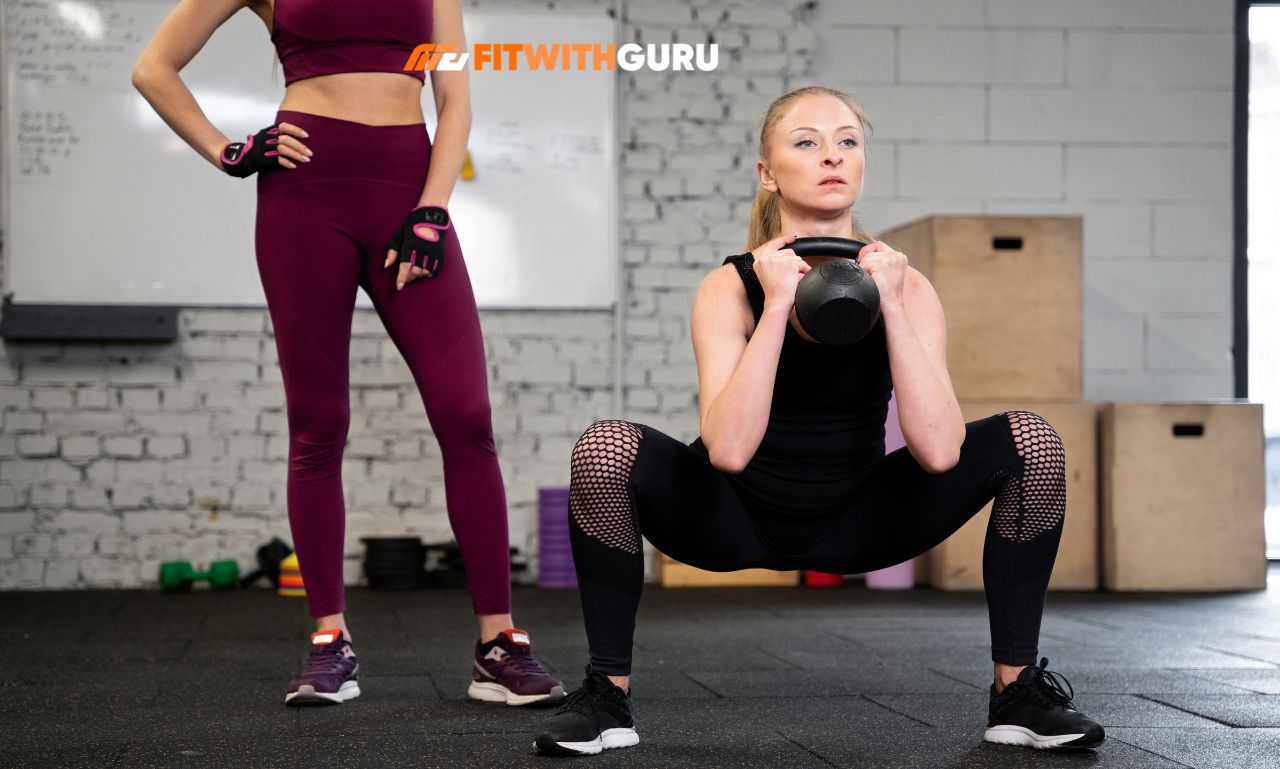
A women’s full body strength training workout is the foundation for building lean muscle, boosting metabolism, and transforming your overall fitness level.
Whether you’re stepping into the gym for the first time or you’ve been training for years, understanding how to structure a comprehensive strength routine can make the difference between spinning your wheels and seeing real results.
The beauty of full-body training lies in its efficiency—you’re hitting every major muscle group in one session, maximizing your time while developing balanced strength across your entire physique.
Why Women Should Prioritize Full-Body Strength Training
Let’s clear up a common misconception right away: strength training won’t make you “bulky.”
What it will do is sculpt lean muscle, increase your metabolic rate, strengthen your bones, and give you functional strength that translates into everyday life.
A female complete body workout plan targets all major muscle groups—legs, glutes, back, chest, shoulders, arms, and core—in a single training session.
This approach is efficient for women because it creates hormonal responses that support fat loss while building muscle definition.
Beyond the physical benefits, strength training builds confidence, reduces anxiety, and improves sleep quality—benefits that extend far beyond the mirror.
Essential Equipment for Your Women’s Full Body Strength Training Routine
Before diving into the workouts, let’s talk about what you’ll need. The good news is that you don’t need an elaborate home gym or expensive equipment to get started.
For beginners, bodyweight exercises provide an excellent foundation, teaching you proper movement patterns before adding external resistance.
As you progress, a few key pieces of equipment will expand your exercise options: a set of dumbbells (ranging from 5-25 pounds depending on your strength level), resistance bands, and a yoga mat.
If you’re training at a gym, you’ll have access to barbells, cable machines, and leg press equipment that can take your women’s full body strength training workout to the next level.
Workout #1: The Foundation Builder
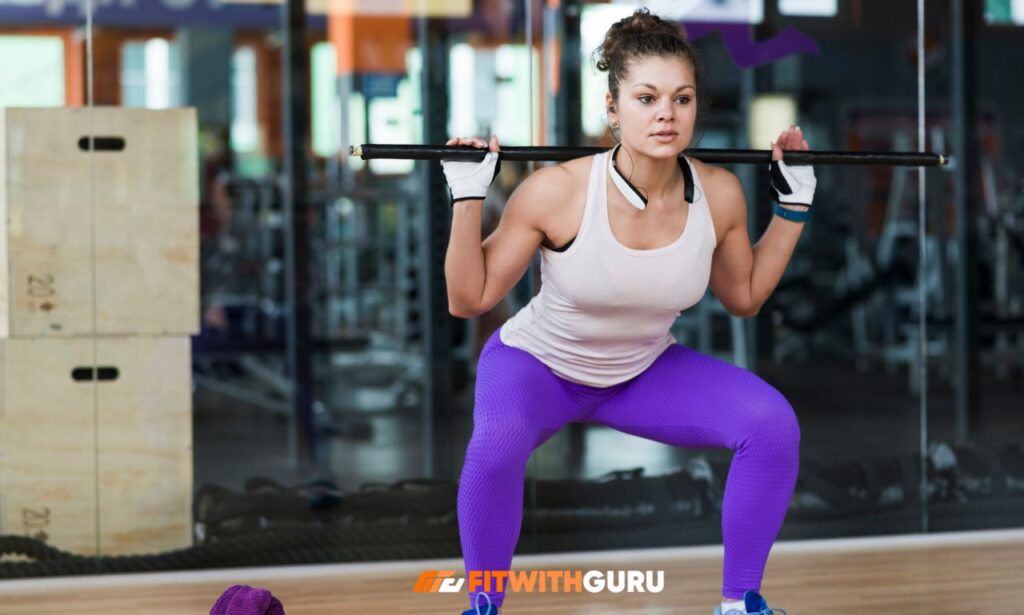
This beginner-friendly routine focuses on mastering fundamental movement patterns while building baseline strength.
Goblet Squats (3 sets of 12 reps)
- Hold a dumbbell vertically at chest height with both hands.
- Stand with feet shoulder-width apart, toes slightly pointed out.
- Lower your body by pushing your hips back and bending your knees.
- Keep your chest up and core engaged throughout the movement.
- Push through your heels to return to the standing position.
Push-Ups (3 sets of 8-10 reps)
• Modify by performing on your knees if needed
Dumbbell Romanian Deadlifts (3 sets of 10 reps)
- Hold dumbbells in front of your thighs with palms facing your body.
- Hinge at your hips, pushing them back while keeping your back straight.
- Lower the weights along your legs until you feel a stretch in your hamstrings.
- Squeeze your glutes to return to the starting position.
Dumbbell Rows (3 sets of 12 reps per arm)
- Place your left knee and left hand on a bench for support.
- Pull the dumbbell up toward your ribcage, keeping your elbow close to your body.
- Squeeze your shoulder blades at the top of the movement. Lower the weight with control.
This female full-body workout plan serves as your entry point into consistent strength training.
Workout #2: The Metabolic Powerhouse
This intermediate routine incorporates compound movements that burn more calories while building strength.
Barbell Back Squats (4 sets of 10 reps)
- Position the barbell across your upper back, not on your neck.
- Unrack the bar and step back with feet shoulder-width apart.
- Squat down by simultaneously bending your knees and pushing your hips back. Drive through your heels to stand back up.
Bench Press (4 sets of 8 reps)
- Lie on a flat bench with your feet firmly planted on the ground.
- Lower the bar to your mid-chest with controlled movement. Press the bar back up until your arms are fully extended.
Walking Lunges (3 sets of 20 steps)
- Stand tall, holding dumbbells at your sides.
- Step forward and lower until both knees are at 90 degrees.
- Push through your front heel to step forward with your left leg. Keep your torso upright and core engaged.
This women’s full body strength training routine challenges multiple muscle groups while elevating your heart rate.
Workout #3: The Upper Body Focus
While it’s still a whole-body routine, this workout emphasizes upper-body development.
Pull-Ups or Assisted Pull-Ups (4 sets of 6-8 reps)
- Grasp a pull-up bar with hands slightly wider than shoulder-width.
- Pull your body up by driving your elbows down toward your sides.
- Lower yourself back to the starting position with control. Use an assisted pull-up machine or resistance band if needed.
Overhead Press (4 sets of 10 reps)
- Stand holding dumbbells at shoulder height with palms facing forward.
- Press the weights straight up overhead until arms are fully extended.
- Lower the weights back to shoulder height with control.
Dumbbell Bicep Curls (3 sets of 12 reps)
- Stand holding dumbbells at your sides with palms facing forward.
- Curl the weights up toward your shoulders. Lower the weights with control back to the starting position.
This female full body workout plan creates balanced upper-body strength.
Workout #4: The Lower Body Emphasis
This routine prioritizes leg and glute development while maintaining full body integration.
Front Squats (4 sets of 8 reps)
- Position a barbell across the front of your shoulders.
- Keep your elbows high and chest up throughout.
- Squat down by pushing your hips back and bending your knees. Stand up by driving through your heels.
Hip Thrusts (4 sets of 12 reps)
- Sit on the ground with your upper back against a bench.
- Position a barbell or weight across your hips. Drive through your heels to lift your hips until your body forms a straight line.
- Squeeze your glutes hard at the top for 2 seconds.
Leg Press (3 sets of 15 reps)
- Sit in the leg press machine with your back flat against the pad.
- Lower the weight with control until the knees reach approximately 90 degrees. Press through your heels to extend your legs.
This women’s whole body strength training routine builds powerful legs and glutes.
Workout #5: The Athletic Performance Builder
This routine develops functional strength and power for everyday activities.
Kettlebell Swings (4 sets of 15 reps)
- Stand with feet shoulder-width apart, with the kettlebell on the ground ahead.
- Hinge at your hips and grab the kettlebell with both hands.
- Explosively drive your hips forward to swing the kettlebell to chest height. The power comes from your hips, not your arms.
Box Step-Ups (3 sets of 12 reps per leg)
- Stand facing a sturdy box or bench holding dumbbells. Place your entire right foot on the box.
- Push through your right heel to lift your body onto the box. Step down with your left foot first.
Jump Squats (3 sets of 10 reps)
- Lower into a squat position with thighs parallel to the ground. Explosively jump up, extending through your hips, knees, and ankles.
- Land softly with bent knees to absorb the impact.
This women’s full body strength training workout builds athleticism and explosive power.
Workout #6: The Muscle Sculptor
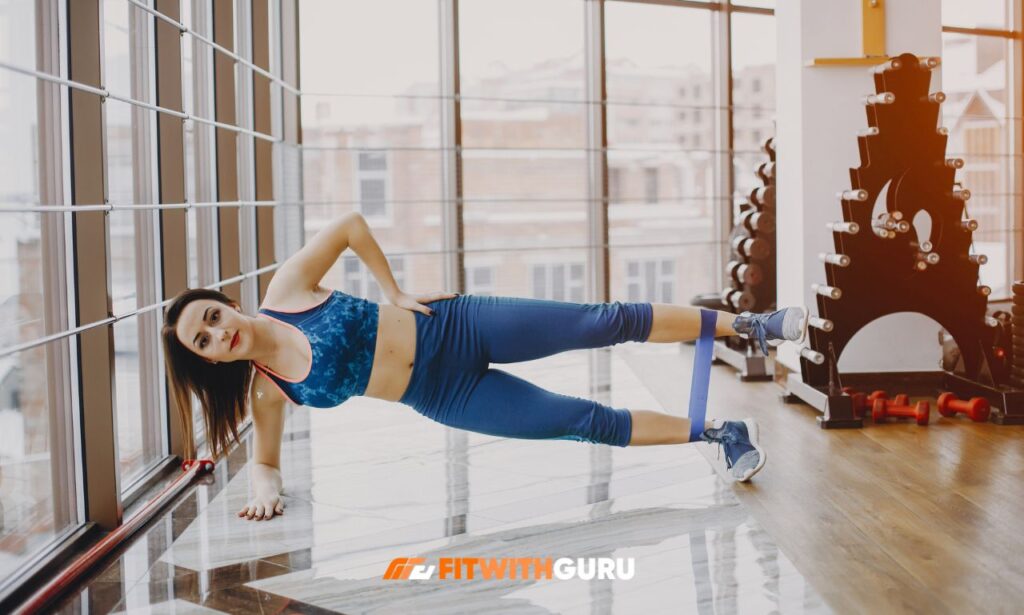
This advanced routine emphasizes time under tension and muscle development.
Bulgarian Split Squats (4 sets of 10 reps per leg)
- Stand about two feet in front of a bench, holding dumbbells.
- Place the top of your rear foot on the bench behind you.
- Lower your body by bending your front knee. Push through your front heel to return to standing.
Sumo Deadlifts (4 sets of 8 reps)
- Stand with feet wider than shoulder-width, toes pointed out.
- Keep your back straight and chest up.
- Push through your heels and drive your hips forward to stand. Squeeze your glutes at the top.
Face Pulls (3 sets of 15 reps)
- Set a cable machine at upper chest height with a rope attachment.
- Pull the rope toward your face, separating your hands as you pull. Focus on squeezing your rear deltoids and upper back.
This female full-body workout plan pushes your muscles into new growth territory.
Programming Your Training Schedule
Consistency beats perfection when it comes to strength training results. For beginners, starting with 2-3 full-body sessions per week allows adequate recovery between workouts.
A sample weekly schedule might look like this: Monday (Workout #1), Wednesday (Workout #2), Friday (Workout #3), with rest or active recovery days in between.
Rest days are when your muscles actually grow and repair, so don’t feel guilty about taking them.
As you progress, you can increase training frequency, but always prioritize recovery and listen to your body’s signals.
Nutrition Strategies to Support Your Women’s Full Body Strength Training Workout
You can’t out-train a poor diet, and strength training creates specific nutritional demands.
Protein becomes especially important when building muscle—aim for 0.7-1 gram per pound of body weight daily.
Quality protein sources include lean meats, fish, eggs, Greek yogurt, legumes, and protein supplements if needed.
Carbohydrates fuel your workouts and support recovery, so don’t fall for the low-carb myth when strength training seriously.
Healthy fats support hormone production, which is crucial for muscle building and overall health.
Hydration affects strength performance more than most people realize—drink at least half your body weight in ounces daily.
Progressive Overload: The Key to Continuous Results
Your body adapts to the demands you place on it, so you must continuously challenge it to achieve ongoing results.
Progressive overload is the systematic increase of training stress over time.
You can achieve this by increasing weight, adding repetitions, performing more sets, or improving exercise technique.
Track your workouts in a journal or app, recording weights, sets, and reps for each exercise.
This women’s full body strength training routine becomes increasingly effective as you progressively overload your muscles.
People Also Ask
How often should I do a full body strength training workout as a woman?
Beginners should start with 2-3 sessions per week, allowing at least one rest day between workouts for adequate recovery. As you advance, you can increase to 3-4 sessions per week, alternating among different workout variations. The key is consistency over intensity—regular training with proper recovery produces better long-term results than sporadic intense sessions.
Will strength training make me bulky as a woman?
No, women lack the testosterone levels necessary to build large, bulky muscles like men naturally. Strength training creates lean, toned muscle definition rather than bulk. The “bulky” look some women fear typically comes from higher body fat percentages combined with muscle, not from muscle alone.
What weight should I start with for a women’s full body strength training routine?
Begin with weights that allow you to complete 10-12 reps with good form while feeling challenged by the last 2-3 reps. For most beginners, this means 5-15-pound dumbbells for upper-body exercises and 10-25 pounds for lower-body movements. Progressive overload means regularly increasing weight as exercises become easier.
How long should a full body workout take?
A complete women’s full body strength training workout typically takes 45-60 minutes, including warm-up and cool-down. Beginners might finish in 30-40 minutes with fewer exercises and more extended rest periods. Quality always trumps quantity—focus on proper form and adequate rest between sets rather than rushing through your workout.
Can I do cardio on the same day as strength training?
Yes, but the order matters depending on your goals. If muscle building is your priority, do strength training first when you’re freshest, then add 15-20 minutes of moderate cardio. Too much cardio can interfere with muscle recovery and growth, so balance your training appropriately.
Conclusion
A well-structured women’s full body strength training workout transforms not just your body, but your entire relationship with fitness and your own capabilities.
The six workouts provided offer progressive challenges suitable for all fitness levels, from beginners establishing foundational movement patterns to advanced lifters seeking new stimulus.
Remember that consistency, progressive overload, and proper nutrition form the triangle of success in any female full body workout plan.
Strength training is a lifelong practice that pays dividends in physical health, mental resilience, and daily functionality.
Your women’s full-body strength training routine should evolve as you grow stronger, but the fundamental principles remain constant: challenge your muscles, fuel your body correctly, and prioritize recovery.
Start with whichever workout matches your current fitness level, commit to the process, and watch as your strength and confidence expand beyond what you thought possible.
